
Pleuran from Oyster Mushroom
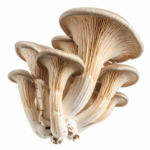
1. Beneficial effects of pleuran on asthma control and respiratory tract-infection frequency in children with perennial asthma.
The aim of this study was to evaluate the effects of pleuran (β-glucan isolated from Pleurotus ostreatus) on asthma control and respiratory morbidity in children on conventional GINA-based asthma treatment who had partially controlled perennial asthma. A double-blind, placebo-controlled multicentre clinical trial with a 2-arm, parallel design was conducted across three countries; 230 children aged 7 to 17 years were randomised (1:1) into an active group (receiving a pleuran/vitamin C combination) or a placebo group (receiving vitamin C only). This study consisted of 24 weeks of treatment (2 capsules a day) and then 24 weeks of follow-up. The primary endpoints included the effects of active treatment versus placebo on asthma control and respiratory tract infections (RTIs). Secondary endpoints included changes in the following measures: number of asthma exacerbations, with or without respiratory infection; quality of life of both asthmatic children and their caregivers; spirometric indices; fractional exhaled nitric oxide (FeNO) levels; safety after 24 weeks of treatment and also after the full 48-week study period. Overall, 206 children completed this study; 113 of these children were in the active group and received a pleuran/vitamin C combination for 24 weeks. After the 24-week treatment period, children below 12 years of age who were in the active group achieved significant improvements in asthma control compared to those in the placebo group (21.8 ± 3.5 vs. 20.3 ± 4.0; P = 0.02); while children at least 12 years old who were in the active group reported lower numbers of RTIs (0.7 ± 1.0 vs. 1.9 ± 1.7; P = 0.002) compared to children of this age in the placebo group. In addition, children below 12 years of age in the active group showed a significant decrease in asthma exacerbations compared to those in the placebo group (2.5 ± 1.6 vs. 3.3 ± 1.9; P = 0.05). At the end of the 48-week trial, a statistically significant improvement in asthma control was observed in 84.7% of children who received pleuran/vitamin C treatment compared to 67.0% of children who received vitamin C only (P = 0.01). The pleuran/vitamin C combined treatment was safe and well-tolerated, and no related serious adverse events were reported. This study highlights the favourable safety profile of pleuran/vitamin C supplementation and demonstrates positive effects of this treatment on asthma control and RTI incidence in children with allergic perennial asthma that was partially controlled by conventional therapy. [Jesenak M, Hrubisko M, Chudek J, et al. Sci Rep. 2025;15:7146.]
2. Effect of a pleuran-based supplement on salivary IgA secretion in children with recurrent respiratory infections.
Background: ß-glucans isolated from natural sources have demonstrated pluripotent immunomodulatory potential, making them a promising supportive treatment for the management of recurrent respiratory infections (RRIs) in children. This study aimed to evaluate the effects of a pleuran-based supplement (ß-glucan isolated from Pleurotus ostreatus in combination with vitamin D and zinc) on mucosal immunity -through modulating salivary secretory immunoglobulin A (sIgA) levels -in children with RRIs. Methods: This monocentric, prospective, open-label pilot study investigated the effect of an orally administered pleuran/vitamin D/zinc supplement (1-2 chewable tablets daily depending on body weight) on the dynamics of sIgA secretion measured in saliva samples collected at three timepoints: at baseline and after 4-6 and 8-10 days. Results: This study included 49 children aged 6-11 years (mean age: 8.2 ± 1.6 years) with a history of one or more of the following conditions in the inclusion criteria: RRIs, allergy, and asthma. After 8-10 days with daily administration of the chewable pleuran/vitamin D/zinc supplement, children exhibited a statistically significant increase in salivary sIgA concentrations compared with baseline (227 ± 211 μg/mL; P = 0.045). No adverse events were observed during the course of the study in relation to the administration of pleuran-based supplement. Conclusions: We demonstrated the beneficial effects of the short-term administration of a pleuran-based chewable supplement on mucosal immunity through increasing salivatory sIgA levels. This study confirms the favourable safety profile of this pleuran/vitamin D/zinc combination, which could be beneficial for children with acute or recurrent respiratory infections, including children with allergies and/or asthma. Moreover, the significant increases in salivary sIgA concentrations that were observed after a few days of supplementation support the use of pleuran in not only the prevention but also the treatment of acute respiratory infections. [Kunc P, Fabry J, Matiscakova M, et al. Curr Ther Res Clin Exp. 2025;102:100780.]
3. Immunomodulation with β-glucan from Pleurotus ostreatus in patients with endocrine-dependent breast cancer.
Aim: To evaluate the effect of pleuran (β-glucan from Pleurotus ostreatus) administration on the immune profile of patients with endocrine-dependent breast cancer (clinical stages I-II) in clinical and imaging remission. Methodology: Antitumor cellular immunity (CD19+, CD3+, CD4+ and CD8+ T lymphocytes and natural killer cells) of 195 patients (49 in the pleuran group and 146 in the control group) was measured by flow cytometry. Results: We observed a significant increase in the absolute number of CD3+, CD19+, CD4+ and CD8+ T lymphocytes in the pleuran group compared with the control group. Conclusion: Our results suggest potential benefit of continuous pleuran administration on immune rehabilitation of cellular antitumor immunity and better prognosis in breast cancer patients in remission. [Spacek J, Vocka M, Zavadova E, Konopasek B, Petruzelka L. Immunotherapy. 2022;14(1):31-40.]
4. Efficacy of pleuran (β-Glucan from Pleurotus ostreatus) in the management of herpes simplex virus type 1 infection.
One of the highly prevalent viral pathogens among children and adults causing infection, clinically presenting as herpes labialis, is herpes simplex virus type 1 (HSV-1). The long-term administration of acyclovir, a standard regimen for therapy against HSV-1 infections, can cause viral resistance against this drug. Therefore, the development of natural drugs with low toxicity that are able to enhance host antiviral defense against HSV infection is needed. β-Glucans represent a type of biologically active molecules possessing antiviral properties. The goal of this study was to investigate the clinical and immunomodulatory effect of β-glucan pleuran (insoluble β-1,3/1,6-D-glucan isolated from Pleurotus ostreatus) based supplements on the duration and intensity of herpes symptoms and on the incidence rate and duration of acute respiratory symptoms and intercurrent diseases in HSV-1 positive patients. Ninety patients were randomised into active and placebo groups. Active treatment with pleuran in systemic application caused a significantly shorter duration of herpes simplex symptoms compared to the placebo group. During the preventive phase (120 days), the duration and severity of respiratory symptoms were lower in the active group compared to the placebo group; however, a significant difference was found only in the case of cough. No significant side effects were observed during both phases of the clinical trial (acute and preventive). Obtained results suggest that the use of pleuran seems to be a promising approach in the treatment of acute HSV-1 with beneficial effect on the respiratory tract symptoms and infections. [Urbancikova I, Hudackova D, Majtan Juraj, et al. Evid Based Complement Alternat Med. 2020 Apr 3:2020:8562309. doi:10.1155/2020/8562309.]
5. Nové možnosti liečby akútnych respiračných ochorení viaczložkovým prírodným prípravkom s obsahom pleuranu (biologicky aktívny polysacharid z Pleurotus ostreatus) u detí – otvorené klinické pozorovanie.
No abstract available. [Jesenak M., Urbancikova I., Hudackova D., Rennerova Z., Kuniakova R., et al. Revue medicíny v praxi. 2020, roč. 18, č. 2, s. 31-36.]
6. Effects of pleuran (β-glucan from Pleurotus ostreatus) supplementation on incidence and duration of bronchiectasis exacerbations.
BACKGROUND: Patients with non-cystic fibrosis bronchiectasis (BE) have frequent exacerbations that are causes of significant morbidity and sometimes mortality, and which it is desirable to prevent. AIM: We aimed to assess the effects of pleuran on the incidence and duration of exacerbations in patients with BE. METHODS: A prospective, observational, open-label, and active-controlled study was realized as a comparison of the frequency and duration of exacerbations between a group of patients with BE (30 patients, 14 males and 16 females, aged 44–72 years) who received a combination supplement containing pleuran 100 mg, Vitamin C 60 mg and zinc 5 mg over a 3-month period and a group of patients with BE (31 patients, 15 males and 16 females, aged 45–74 years) treated over a 3-month period with a combination supplement containing Vitamin C 60 mg and zinc 5 mg. RESULTS: Over the study period, altogether 46 exacerbations were documented (19 in the patients receiving pleuran and 27 in the patients who did not receive pleuran), nine of which required hospital treatment (four in the patients receiving pleuran [21.5%] and five in the patients who did not receive pleuran [18.6%]). The mean number of exacerbations over the study period was significantly lower in the patients receiving pleuran (0.6 ± 0.4) as compared to the mean number in the patients who did not receive pleuran (0.8 ± 0.3) (p = 0.0297). The mean duration of exacerbations, expressed in days, needed for cure or clinical improvement in the patients receiving pleuran (11.2 ± 1.7 days) was significantly shorter than that of exacerbations in the patients who did not receive pleuran (12.4 ± 1.3 days) (p = 0.0029). We found significantly lower incidence and significantly shorter duration of exacerbations in the patients with BE who received pleuran as compared to their incidence and duration in the patients with BE who did not receive pleuran. CONCLUSION: Our findings indicated a need for further investigations in this domain to define the possible role of pleuran in the prevention of BE exacerbations. [Minov J, Stoleski S, Karadzinska-Bislimovska J, et al. Open Access Maced J Med Sci. 2020;8 No. B:906-12.]
7. Effects of pleuran (Β-Glucan from Pleurotus Ostreatus) supplementation on incidence and duration of COPD exacerbations.
Background: 1,3/1,6-β-glucans are recognised as immunomodulators in human and veterinary medicine for over 50 years. Aim: To assess the effects of pleuran (1,3/1,6-β-glucan from Pleurotus ostreatus) on incidence and duration of bacterial exacerbations in patients with COPD. Methods: We performed an observational, non-randomized, open-label study including 32 COPD patients (Group D) in whom besides the recommended chronic treatment for the stable disease were administered supplement combination containing pleuran 100 mg, vitamin C 60 mg and zinc 5 mg once daily over a three month-period (Group 1). Also, an equal number of Group D COPD patients who besides the recommended treatment for stable disease received the supplement combination containing vitamin C 60 mg and zinc 5 mg once daily, matched to the study subjects of the Group 1 by sex and age served as control (Group 2). Results: Over the study period 57 exacerbations (24 in the Group 1 and 33 in the Group 2) were documented. A mean number of exacerbations over the study period was significantly lower in the Group1 (0.7 ± 0.4) as compared to their mean number in the Group 2 (1.0 ± 0.6) (P = 0.0218). Furthermore, a mean duration of exacerbations expressed in days needed for cure or clinical improvement (i.e. complete resolution of symptoms or return of the symptoms to their baseline severity) in the Group 1 (6.7 ± 0.8 days) was significantly shorter than the mean duration of exacerbations in the Group 2 (7.4 ± 1.3 days) (P = 0.0118). There was not reported any adverse effect during the study period by study subjects from both examined groups. Conclusion: Our findings indicated that pleuran might impact the incidence and duration of bacterial exacerbations in patients with COPD. There is a need for further studies for more precise determination of the influence of pleuran on the course of COPD. [Minov J, Bislimovska-Karadzhinska J, Petrova T, et al. Open Access Maced J Med Sci. 2017;5(7):893-898.]
8. Preventive effect of pleuran (β-glucan from Pleurotus ostreatus) in children with recurrent respiratory tract infections – Open-label prospective study.
Background: Recurrent respiratory tract infections (RRTIs) are one of the most common problems in pediatric practice. Several natural preparations are used in management of RRTIs, but the scientific evidence for their efficacy is sometimes insufficient. On the other hand, preventive effect of some natural preparation (e.g. β-glucans) was confirmed by relevant clinical studies. Methods: In our prospective open label study we enrolled 194 children suffering from RRTIs. We aimed to analyse the effect of Imunoglukan P4H® syrup containing pleuran (insoluble β-glucan isolated from Pleurotus ostreatus) on general respiratory morbidity comparing previous year with the same season during the study. Results: Supplementation of Imunoglukan P4H® syrup significantly decreased the total number of respiratory tract infections during the treatment and subsequent follow-up period compared to the same period of the previous year (4.18 ± 2.132 vs. 8.71 ± 1.89; p<0.001). In detail, the number of various types of respiratory tract infections (otitis, laryngitis, bronchitis and common cold) was also significantly reduced (p<0.01 for all subtypes of infections). Moreover, a reduction in the number of day-off in kindergarten and school was also noticed. The syrup was well tolerated and no serious adverse effects were observed. Conclusion: Our study supports the use of pleuran in the complementary treatment and preventions of RRTIs in children. β-glucans seem to be an effective and safe tool
in the management of RRTIs. [Pasnik J, Slemp A, Cywinka-Bernas A, et al. Curr Ped Res. 2017;21(1):99-104.]
9. Beta-(1,3/1,6)-D-glucan helps to decrease opportunistic infections in Crohn’s disease patients treated with biological therapy.
Background: Secondary intercurrent infections in patients with inflammatory bowel disease (IBD) represent a very important problem in daily clinical practice because of their significant contribution to quality of life and work ability. Beta-glucans are known to act as non-specific immunomodulators that exhibit an anti-inflammatory effect as evident in animal and human studies. Imunoglukan P4H® capsules are nutritional supplement containing 100 mg of beta-(1,3/1,6)-D-glucan pleuran isolated from oyster mushroom Pleurotus ostreatus and 100 mg of vitamin C. Aims: To evaluate the influence of Imunoglukan P4H® (Pleuran, s.r.o., Slovakia) on the secondary morbidity added to biological therapy in maintaining remission of Crohn´s disease (CD) for 12 months. Patients and methods: A double-blinded, placebo-controlled, randomised bicentric study was carried out which included 53 CD patients randomly divided into two groups treated with Imunoglukan P4H® (with beta-(1,3/1,6)-D-glucan pleuran from Pleurotus ostreatus and vitamin C) 1 capsule daily (23 patients) and placebo (vitamin C only) 1 capsule daily (30 patients) respectively. All patients also continued their biological maintenance therapy. Before inclusion the patients were required to: be consented (written), complete a standard quality of life questonnaire for patients with inflammatorybowel disease (SIBDQ), Crohn´s disease activity index (CDAI) was evaluated, full blood count, standard biochemical tests – bilirubine (Bi), alaninaminotranspherase (ALT), aspartataminotranspherase (AST), alcaline phosphatase (ALP), gammaglutamyltranspeptidase (GMT), serum amylases (AMS), natrium (Na), kalium (K), C-reactive proteine (CRP) and faecal calprotectin were also performed. These tests and questionaires were repeated at 2-month intervals, at each time patients reported intercurrent diseases and their lengths. All data were recorded in patient protocol and statistical signification was tested by matching of two ratios with Yates correction and by Mann-Whitney test. Results: From 53 included CD patients 39 reached the end of trial, 14 patients interrupted the study prematurely. Imunoglukan P4H® was administered to 10 patients and placebo to 29 patients. 0/10 patients in Imunoglukan P4H® group (IG) and 1/29 patients in placebo group (PG) interrupted rematurely administration of preparation for intolerance and 1/10 patients in IG and 2/29 patients in PG for relapsing of CD. These differences were not statistically significant (p=0,5519 and 0,7508 resp.). At least one intercurrent infectious or allergic disease occurred in 6/10 of IG patients and in 25/29 of PG patients. In 4/10 respectively 11/29 of patients one intercurrent disease, in 2/10 resp. 7/29 of patients two, in 0/10 resp. 5/29 of patients three and in 0/10 resp. 2/29 of patients four diseases were reported. Imunoglukan P4H® significantly decreased the number of intercurrent diseases compared to placebo in this study (95 % CI, p=0,0196). The treatment did not influence SIBDQ, CDAI, blood count and biochemical parameters tested. Conclusion: Imunoglukan P4H® added to biological therapy in CD patients in remission has significantly reduced the secondary morbidity in comparison to placebo. This preparate was well tolerated, no adverse or undesirable effects were observed and the course of CD remission remained unchanged. [Batovsky M, Tomas Z, Khaled R, et al. Arch Clin Gastroenter. 2015:5-8.]
10. Anti-allergic effect of pleuran (β-glucan from Pleurotus ostreatus) in children with recurrent respiratory tract infections.
Recurrent respiratory tract infections (RRTIs) present a very important problem in paediatric praxis. As true immunodeficiencies are rare, one of the most important factors assumed to contribute to increased respiratory morbidity is atopy. Several preparations of natural origin have been used for the prevention of RRTIs, and some of the most effective immunomodulators are biologically active polysaccharides – e.g. ß-glucans. In our randomised, double-blind, placebo-controlled study, we investigated the prevalence of atopy in a group of children with RRTIs and the potential anti-allergic effect of pleuran (ß-glucan isolated from Pleurotus ostreatus) on basic laboratory markers of allergic inflammation. We confirmed that atopy may be an important factor contributing to the increased respiratory morbidity in children with RRTIs. The active treatment with pleuran resulted in a significant reduction of peripheral blood eosinophilia and stabilised the levels of total IgE in serum. This was more evident in atopic subjects. Pleuran showed a potential anti-allergic effect. This previously non-described effect could expand the application of this natural immunomodulator also as a complementary adjuvant therapy in allergic patients. [Jesenak M, Hrubisko M, Majtan J, Rennerova Z, Banovcin P. Phytother Res. 2014;28(3):471-4.]
11. Pleuran (β-glucan from Pleurotus ostreatus) supplementation, cellular immune response and respiratory tract infections in athletes.
Prolonged and exhausting physical activity causes numerous changes in immunity and sometimes transient increases the risk of upper respiratory tract infections (URTIs). Nutritional supplements as countermeasures to exercise-induced changes have increasingly been studied in the last decade. One of the most promising nutritional supplements is β-glucan, a well-known immunomodulator with positive effects on the function of immunocompetent cells. In this double blind, placebo-controlled study, we investigated the effect of pleuran, an insoluble β-(1,3/1,6) glucan from mushroom Pleurotus ostreatus, on selected cellular immune responses and incidence of URTI symptoms in athletes. Fifty athletes were randomized to pleuran or placebo group, taking pleuran (commercial name Imunoglukan(®)) or placebo supplements during 3 months. Venous whole blood was collected before and after 3 months of supplementation and additionally 3 months after supplementation period was completed. Incidence of URTI symptoms together with characterization of changes in phagocytosis and natural killer (NK) cell count was monitored during the study. We found that pleuran significantly reduced the incidence of URTI symptoms and increased the number of circulating NK cells. In addition, the phagocytosis process remained stable in pleuran group during the study in contrast to placebo group where significant reduction of phagocytosis was observed. These findings indicate that pleuran may serve as an effective nutritional supplement for athletes under heavy physical training. Additional research is needed to determine the mechanisms of pleuran function. [Bergendiova K, Tibenska E, Majtan J. Eur J Appl Physiol. 2011;111(9):2033-40.]
12. Effect of Pleuran (β-glucan from Pleurotus ostreatus) supplementation on cellular immune response after intensive exercise in elite athletes.
Excessive and exhausting physical loads depress the immune system. Carbohydrate consumption may minimize the postexercise suppression of the innate immune system. β-Glucan is a well-known immunomodulator, with positive effects on the functioning of immunocompetent cells. The goal of this study was to determine whether β-glucan dietary supplementation from the mushroom Pleurotus ostreatus decreases the suppressed immune system responses induced by short-term high-intensity exercise in humans. In this double-blind pilot study, 20 elite athletes were randomized to β-glucan (n = 9) or placebo (n = 11) groups; these groups consumed 100 mg of β-glucan (Imunoglukan) or placebo supplements, respectively, once a day for 2 months. Venous whole blood was collected before and after 2 months of supplementation (baseline), both immediately and 1 h after (recovery period) a 20-min intensive exercise bout at the end of the supplementation period. The blood samples were used to measure the cell counts of leukocytes, erythrocyte, and lymphocytes; subpopulations of lymphocytes, granulocytes, and monocytes; and natural killer (NK) cell activity (NKCA). A 28% reduction in NKCA (p < 0.01) below the baseline value was observed in the placebo group during the recovery period, whereas no significant reduction in NKCA was found in the β-glucan group. In addition, no significant decrease in NK cell count was measured in the β-glucan group during the recovery period. Immune cell counts did not differ significantly between the groups. These results indicate that insoluble β-glucan supplementation from P. ostreatus may play a role in modulating exercise-induced changes in NKCA in intensively training athletes. [Bobovcak M, Kuniakova R, Gabriz J, Majtan J. Appl Physiol Nutr Metab. 2010 Dec;35(6):755-62.]
13. Immunomodulatory effect of pleuran (β-glucan from Pleurotus ostreatus) in children with recurrent respiratory tract infections.
Objectives: Recurrent respiratory tract infections (RRTIs) represent a very important problem in daily clinical practice because of their significant contribution to morbidity in children. Several natural nutritional supplements have been used in the prevention of RRTIs, but the clinical efficacy of only a few preparations is supported by scientific evidence. Materials and methods: In a double-blind, placebo-controlled, randomised, multicentre study, we have observed a group of 175 children (aged 5.65 ± 2.39 years) with more than 5 respiratory infections that occurred during the 12 months prior to the beginning of the study. Children were randomised into an active group, treated with Imunoglukan P4H® syrup (with pleuran-β-glucan from Pleurotus ostreatus and vitamin C), or a placebo group (vitamin C only). During the 3 visits, within a 12-month period, questionnaires were completed, and blood samples were examined for immune parameters. Results: In the active group, 36% of the children did not suffer from any respiratory infections throughout the treatment, compared to 21% in the placebo group (p<0.05). Imunoglukan P4H® also significantly decreased the frequency of flu and flu-like disease and the number of lower respiratory tract infections. Imunoglukan P4H® treatment resulted in a statistically significant modulation of humoral and cellular immunity. Conclusions: Results from this study demonstrate that Imunoglukan P4H® is effective in the prevention of RRTIs in children. Furthermore, our results also revealed complex immunomodulatory activity of this product. This is the first double-blind, placebo-controlled study in children with RRTIs that has addressed the preventive effects of pleuran on morbidity caused by respiratory infections. [Jesenak M, Majtan J, Rennerova Z, Kyselovic J, et al. Int Immunopharmacol. 2013 Feb;15(2):395-9. doi: 10.1016/j.intimp.2012.11.020.]
14. Beta-(1,3/1,6)-D-glucan from Pleurotus ostreatus in the prevention of recurrent respiratory tract infections: An international, multicentre, open-label, prospective study.
Preschool children are particularly susceptible to recurrent upper and lower respiratory tract infections due to their immune immaturity and other contributing factors. Preventing and/or treating children suffering from recurrent respiratory tract infections (RRTIs) is challenging, and it is important to provide more clinical evidence about the safety and efficacy of natural immunomodulating preparations, including β-glucans. The aim of the present study was to assess the incidence of respiratory tract infections (RTIs) in children with a history of RRTIs for a period of 6 months (3 months of pleuran supplementation and 3 months of follow-up) compared with the same period from October to March of the previous year prior to enrolment in the study. A total of 1,030 children with a mean age of 3.49 ± 1.91 years from seven countries were included in this study. The total number of RTIs observed during the study period was significantly lower compared to the same period of the previous year (7.07 ± 2.89 vs. 3.87 ± 3.19; p < 0.001). Analysis of each type of RTI revealed significant reductions in the mean number and duration of infections for all RTI subtypes compared to the previous year. This study also confirmed the beneficial safety profile of pleuran supplementation. In conclusion, pleuran supplementation represents an interesting and prospective supplement in preventing respiratory infections and reveals new strategies for supporting immune functions in the paediatric population. [Rennerova Z, Sirvent LP, Roca EC, et al. Beta-(1,3/1,6)-D-glucan from Pleurotus ostreatus in the prevention of recurrent respiratory tract infections: An international, multicentre, open-label, prospective study. Front Pediatr. 2022;14:10:999701.]
15. Beta-glucans from Pleurotus ostreatus for prevention of recurrent respiratory tract infections.
Introduction: Respiratory tract infections (RTI) are one of the most common reasons for medical visits in paediatric clinical practice. In cases of recurrence, supplementation with natural derivatives such as β-glucans has been proposed as an immunomodulatory intervention which based on its effects on humoral and cell-mediated immune responses, might reduce frequency of respiratory tract infections (RTIs). Patients and methods: A prospective observational multicenter study of patients from 20 paediatric clinics of Alicante, Barcelona and Valencia who were considered with RRI according to the number of RTI during the previous year. Supplementation with a daily dose of a β-glucans from Pleurotus ostreatus and vitamin C for 3 months was recommended. Comparison between the number and type of RTI during the previous October-period, among other variables, were compared with those observed during the 6-month follow-up. Results: Analysis of data from 151 children have shown significant reductions on the average number of RTIs episodes (4.27 ± 2.21 vs. 8.88 ± 3.35; p <0.001) and the risk of been considered as RRI (RR [95%CI]: 0.36 [0.3-0.45]; p <0.0001) after the supplementation. Visits to the Emergency department, use of pharmacological treatment and missed school days were also less frequent when compared with the previous year. Each of the RTI subtypes (otitis, common cold, pharyngitis, laryngitis and bronchitis) showed significant reductions both on incidence and number of episodes. A 90.7% of cases reported a good or very good tolerability and the improvement perceived was reported in 85.7% of parents. Conclusions: In absence of measures for active immunization against pathogens most frequently associated with respiratory infections, prophylactic supplementation β-glucans from Pleurotus ostreatus and vitamin C has may be of benefit particularly in children with recurrences and specific risk factors. [Grau JS, Sidrvent LP, Ingles MM, Urgell MR. Acta Pediatrica Espanola. 2015;73(8):186-93.]
16. Imunoglukan P4H® v prevencii recidivujúcich infekcií dýchacích ciest v detskom veku.
Abstract not available. [Jesenak M, Kol A. Cesk Pediatr. 2010;65(11):639-647.]
17. Induction of metalloproteinase 9 secretion from human keratinocytes by pleuran (beta-glucan from Pleurotus ostreatus).
Glucan preparations, primarily modified water-soluble glucans, are involved in the activation of the body’s natural defense mechanisms and in the acceleration of the skin’s wound-healing processes. Pleuran, an insoluble beta-D-glucan in hydrogel form, offers a natural alternative to more common chemically derivated soluble beta-D-glucans. Pleuran was applied to human keratinocyte primary cultures, and after 24 h of incubation the release of matrix metalloproteinase 9 (MMP-9) and metalloproteinase 2 (MMP-2) by stimulated keratinocytes was detected using gelatine zymography. There was a concentration-dependent increase in pro-MMP-9 release after treatment with pleuran over the concentration range of 2 to 200 microg/ml, but pro-MMP-2 was detected at a constant level. Moreover, the active forms of both MMPs were not detectable, indicating that in vitro autoactivation of these zymogens did not occur. The results indicate that pleuran is a potent keratinocyte stimulator of proMMP-9 release, which implies its application in dermatological therapies. [Majtan J, Kumar P, Koller J, Dragunova J, Gabriz J. Z Naturforsch C J Biosch. 2009;64;(7-8)597-600.] Preclinical Research
18. The effect of an insoluble fungal glucan on indicators of immunity in calves
Immunomodulative effect of insoluble fungous glucan (IFG) was observed on nine accidentally chosen calves, which were in the age from 4.5-5.5 months. The following items were observed: T, B lymphocytes, white blood cell count, index and activity of phagocytosis, induction and determination of interferon from leukocytes. In the experimental group there was a decrease in B-rosseting cells observed. On the 28-th day and on the 42-th day of experiment duration a significant increase in B-rosseting cells in comparison with control group has been observed. Average values were significantly different on the levels P < 0.01 and P < 0.05. Percentages of T-rosseting cells were almost the same during the whole experiment. In the experimental group on the 7-th and on the 14-th day the decrease has been observed. By the Student’s t-test a significant difference in favour of group, where IFG was applicated, has been observed. Percentage of white blood cell count was from 47 to 72 in both groups. When phagocytic activity was evaluated, there was the higher percentage of phagocytic cells in the 7th, 14-th, 21-st, 28-th and 42-th day of experiment when compared with the 0-day value. Concerning the phagocyte index a statistical difference was observed, when compared to the initial value in favour of the experimental group. The initial disbalanced values of interferon, which have been observed during the period from the 7-th to the 21-st day, increased on the 28-th and the 42-nd day of experiment which was statistically confirmed on the following levels: P < 0.05 and P < 0.01. [Levkutova M, Bajova V, Hipikova V, et al. Vet Med (Praha). 1993;38(1):31-42.]
19. Delayed hypersensitivity and the primary antibody reaction after administration of infectious bovine rhinotracheitis inactivated oil vaccine to calves premedicated with glucan
The level of delayed skin hypersensitivity (DSH) to DNFB and of the primary immune reaction was evaluated in the calves immunized with an inactivated oil IBR vaccine (V group) and in the calves premedicated with glucan (seven days before vaccine administration) and subsequently immunized with the mentioned vaccine (GV group). The DSH test did not reveal an alteration of cellular immunological reactivity in the calves immunized with an inactivated oil IBR vaccine; after the vaccine administration there was no significant difference in the DSH level from the value before vaccine administration nor in comparison with the value of control calves (K group), Tab. I. But in the immunized calves which were glucan-premedicated (from Pleurotus ostreatus; 10 mg/kg l.w.) a significantly higher DSH level was determined not only in comparison with the initial value (P < 0.05) before glucan administration but also with the value of control calves (P < 0.05), Tab. I. The categorization of calves according to the DSH level also points to the immunomodulating effect of glucan in this sense (Fig. 1); while the value of skin test ranged from 3.6 to 6.5 mm in the highest percentage of the calves of V and K groups on the dates before and after administration of the mentioned preparations, a marked increase (on the date after administration) in the number of calves (from 22 to 67%) with the value of skin test higher than 6.5 mm was observed in the calves of GV group. The vaccine administration in itself (V group) did not induce the production of measurable amounts of serum IBR antibodies till day 14 after immunization. [Paulik S, Bajova V, Benko G. Vet Med (Praha). 1993;38(7):395-402.]
20. The immunomodulatory effect of the soluble fungal glucan (Pleurotus ostreatus) on delayed hypersensitivity and phagocytic ability of blood leucocytes in mice.
The effect of fungal and yeast glucan on different immune functions in mice was examined and compared. The simultaneous administration of glucan and a sensitizing dose of DNFB on the different sites significantly stimulated delayed-type hypersensitivity (DTH) response only when using fungal glucan. Both glucans tested, when administered before sensitization, significantly increased DTH response, but with a significantly higher level at the beginning of the investigation (on day 7) when using fungal glucan. The increase in phagocytic activity by the blood leucocytes started in the 1st week after fungal-glucan treatment, and in the 2nd week after yeast-glucan treatment, and took longer after administration of fungal glucan. The values of the phagocytic-activity index were significantly influenced only after fungal-glucan injection. The results of the study indicate that fungal glucan isolated from Pleurotus ostreatus could be a prospective immunomodulating substance. [Paulík S., Mojzisova J., Durove A., Benisek Z., Huska M. Zentralbl Veterinarmed B. 1996 May;43(3):129-35.]
21. Effect of pleuran (beta-glucan from Pleurotus ostreatus) on the antioxidant status of the organism and on dimethylhydrazine-induced precancerous lesions in rat colon.
The effect of pleuran (beta-1,3-D-glucan isolated from the oyster mushroom Pleurotus ostreatus) on the antioxidant status of the organism and on the development of precancerous aberrant crypt foci (ACF) lesions in the colon is studied in the male Wistar rat. A diet containing either 10% pleuran or 10% cellulose was compared with a cellulose-free diet and both were found to significantly reduced conjugated diene content in erythrocytes and in liver. Particularly significant was the reduction of conjugated dienes in the colon following pleuran administration. Diets containing cellulose and pleuran reduced glutathione peroxidase (GSH-PX) activity and increased catalase activity in erythrocytes. Pleuran increased superoxide dismutase (SOD) and GSH-PX activity (compared with the cellulose diet), and glutathione reductase activity (compared with the cellulose-free diet) in liver; and both diets reduced glutathione levels significantly in the colon. ACF lesions developed in the colon of all animals fed a cellulose-free diet; however, the incidence was reduced to 64% and 60% following the cellulose and pleuran diets, respectively. The highest average count of the most frequent small ACF lesions–and highest total count–was seen in animals fed a cellulose-free diet. Although ACF lesions were reduced by the cellulose diet, the more significant reduction statistically (>50%) was achieved with the pleuran diet. [Bobek P., Galbavy S. Br J Biomed Sci. 2001;58(3):164-8.]
22. Effect of pleuran (beta-glucan from Pleurotus ostreatus) in diet or drinking fluid on colitis in rats.
The effects of pleuran, beta-glucan isolated from Pleurotus ostreatus, were studied in a model of acute colitis in rats. Pleuran was given either as a 2% food component or as 0.44% pleuran hydrogel drink over 4 weeks. Colitis was induced by intraluminal instillation of 4% acetic acid and after 48 h the extent of colonic damage and several biochemical parameters were examined. Pleuran supplementation both in food and in drinking fluid significantly decreased the disposition to colitis. The macroscopic damage score was reduced by 51% or 67% by pleuran diet and pleuran hydrogel drink, respectively. Pleuran did not influence the final body weights of rats but prevented significantly colonic wet weight increase which was observed in the control diet group. The enhanced activity of myeloperoxidase in the inflamed colonic segment was reduced by pleuran diets, reflecting decreased neutrophil infiltration. The colonic damage was accompanied by decreased activities of lysosomal enzymes–acid phosphatase and cathepsin D–in the control untreated group, whereas in the pleuran groups the decrease was significantly attenuated. Both pleuran regimens reduced the content of conjugated dienes in the colon, liver and erythrocytes. In contrast to this fact, activities of antioxidant enzymes in erythrocytes and the colon were not so greatly influenced. Significant increase was found only in the case of SOD activity in sham operated rat erythrocytes under influence of both pleuran regimes and in the case of GST activity in erythrocytes of pleuran hydrogel group. The mechanism of the described protective effect of pleuran is not yet fully understood. Our results indicate that the pleuran-enhanced antioxidant defence of the colonic wall against the inflammatory attack may have come into play. [Bobek P., Nosalová V., Cerna S. Nahrung. 2001 Oct;45(5):360-3.]
23. Effects of pleuran (beta-glucan isolated from Pleurotus ostreatus) on experimental colitis in rats.
The effects of pleuran, beta-1,3 glucan isolated from Pleurotus ostreatus, were studied in a model of acute colitis induced by intracolonic administration of acetic acid. There was a reduction of the colonic damage score, colonic wet weight and wet/dry weight ratio 48 h after single luminal 2% pleuran suspension pretreatment. Similar results were obtained after repeated intraperitoneal administration of pleuran in doses of 30 and 100 mg/kg. Pleuran given orally as a 10% food component over 4 weeks was effective in reducing the extent of mucosal damage, but did not prevent the increase of myeloperoxidase in the injured colonic segment. In the segment without macroscopic evidence of inflammation, myeloperoxidase activity was significantly lower as documented by histological examination. The results indicate a possible role of this immunomodulator in the treatment of ulcerative colitis. [Nosalova V., Bobek P., Cerna S., Galbavy S., Stvrtina S. Physiol Res. 2001;50(6):575-81.]
24. Immunomodulatory therapy in canine skin diseases.
No abstract available. [Mojzisova J., Fialkovicova M. Folia Veterinaria. 2005, roč. 49, č. 4, s. 202-205.]
25. Psittacine circovirus infection in parakeets of the genus Eunymphicus and treatment with beta-(1,3/1,6)-D-glucan.
Eight captive-bred horned parakeets (Eunymphicus cornutus) and four captive-bred Major Mitchell cockatoos (Cacatua leadbeateri) from the same aviary tested positive for psittacine circovirus (PsCV) DNA in whole blood by nested-polymerase chain reaction (PCR). The chronic form of disease with feather fragility and loss was observed in three horned parakeets. Infection in other individuals was subclinical. Immunosuppression, either hematologically or as susceptibility to secondary infections, was not observed. Treatment consisted of the administration of beta-(1,3/1,6)-D-glucan from oyster mushroom (Pleurotus ostreatus). Excluding two accidentally dead parakeets, four out of the original six horned parakeets, and all Major Mitchell cockatoos were negative for PsCV DNA in whole blood in 7-9 mo after the treatment was started. Even though the absence of PsCV DNA in blood does not signify elimination of the virus from the whole organism, these preliminary results indicate a possible effect of beta-glucan in the treatment of PsCV infection. To the author’s knowledge, this is the first report of PsCV in horned parakeets. [Tomasek O, Tukac V. Avian Dis. 2007 Dec;51(4):989-91.]
26. The effects of β-glucan isolated from Pleurotus ostreatus on methotrexate treatment in rats with adjuvant arthritis.
The purpose of this study was to evaluate the effect of β-(1,3/1,6)-D: -glucan isolated from Pleurotus ostreatus (β-glucan-PO) on prophylactic treatment of adjuvant arthritis (AA) with methotrexate (MTX) in rats. Groups of rats with AA were treated with methotrexate (1 mg/kg/week), β-glucan-PO (1 mg/kg every second day) or their combination for the period of 28 days from adjuvant application. Body mass, hind paw swelling, arthrogram scores and a level of serum albumin were measured as markers of inflammation and arthritis. Treatment with low dose of MTX significantly inhibited the markers of both inflammation and arthritis. MTX and its combination with β-glucan-PO significantly increased body mass of arthritic rats. β-glucan-PO administered alone significantly decreased both the hind paw swelling and arthritic score. In combination with MTX, β-glucan-PO markedly potentiated the beneficial effects of MTX, which resulted in a more significant reduction of hind paw swelling and arthritic scores. The concentration of albumin in the serum of arthritic controls was significantly lower than in healthy controls. Both MTX alone and the combination treatment with MTX + β-glucan-PO significantly inhibited the decrease in serum albumin. β-Glucan-PO increased the treatment efficacy of basal treatment of AA with MTX.
[Rovensky J., Stancikova M., Svik K., Bauerova K., Jurcovicova J. Rheumatol Int. 2011 Apr;31(4):507-11.]
27. Study of new ways of supplementary and combinatory therapy of rheumatoid arthritis with immunomodulators. Glucomannan and Imunoglukán in adjuvant arthritis.
We studied the anti-arthritic activity of glucomannan (GM) isolated from Candida utilis and of Imunoglukán, a beta-(1,3/1,6)-D-glucan (IMG) isolated from Pleurotus ostreatus. Adjuvant arthritis (AA) was induced intradermally by the injection of Mycobacterium butyricum in incomplete Freund’s adjuvant to Lewis rats. Blood for biochemical and immunological analysis was collected on experimental days 1, 14, 21, and 28. A clinical parameter–hind paw volume (HPV)–was also measured. The detection of IL-1 alpha, IL-4, TNF alpha, and MCP-1 was done by immunoflowcytometry. On day 28–the end of the experiment–we determined spectrophotometrically: the total anti-oxidant status (TAS) of plasma samples along with thiobarbituric acid-reacting substances (TBARS) levels in plasma and we assessed the activity of gamma-glutamyl transferase (GGT) in hind paw joint homogenate. The experiments included healthy animals, arthritic animals without treatment, and arthritic animals with administration of glucomannan (GM-AA) in the oral daily dose of 15 mg/kg b.w. and of IMG (IMG-AA) in the oral daily dose of 2 mg/kg b.w. The progress of AA was manifested by all parameters monitored. Both substances had beneficial effects on HPV, TBARS levels, GGT activity, and TAS levels. For cytokine assessment, only IMG-AA samples were selected, considering the significant HPV improvement accompanied with the observed anti-oxidant action. IMG administration had a positive immunomodulating effect on all cytokine plasma levels measured, changed markedly due to arthritis progression. Thus, IMG may be considered as a candidate for combinatorial therapy of rheumatoid arthritis. [Bauerova K., Paulovicova E., Mihalova. D, Svik K., Ponist S. Toxicol Ind Health. 2009 May-Jun;25(4-5):329-35.]
28. The effect of β (1,3/1,6)D-glucan on selected non-specific and specific immunological parameters in dogs after vaccination.
The study investigated the immunostimulative effect of β (1, 3/1, 6)-d glucan (syrup Plerasan) in immunosuppressed dogs and its influence on effectiveness of anti-rabies vaccination. Administration of glucan in the form of syrup to puppies (group IG) increased significantly the non-specific immunological parameters, such as functional activities of phagocytes (FALe, FILe, IMA) and lymphocytes (SIP), in comparison with the 0-sampling and the control group (II. K–without glucan). Puppies with confirmed immunosuppression at 0-sampling (II. K) exhibited on day 28 post-vaccination a significantly lower level of anti-rabies antibodies and failed to reach the required level at all following samplings which is a serious observation from the immunological point of view. contrary to that, puppies from group IG (administration of glucan) showed protective level of rabies antibodies already on day 14 post-vaccination (> 1 uE. ml-1). The highest level of Ab (P< 0.0001) was reached on day 28 post-vaccination in glucantreated dogs. [Haladova E., Mojzisova J., Smrco P., Ondrejkova A., Vojtek B., et al. Folia Veterinaria. 2009, roč. 53, č. 1, s. 43-46.]
29. Immunomodulatory effect of glucan on specific and nonspecific immunity after vaccination in puppies.
The objective of the study was to determine the immunostimulatory effect of β-(1,3/1,6)-D-glucan in puppies. The effect exerted on the efficacy of vaccination, especially against canine parvovirus and rabies infection, was studied. The application of vaccine and glucan leads to significant increases in the nonspecific immunological parameters (phagocytic ability of leukocytes, blastogenic response of lymphocytes, metabolic and chemotactic activity of polymorphonuclear cells). The level of antibodies against canine parvovirus (Ab CPV) and rabies infection reached the most statistically significant values on the 28th day after the application of vaccine and a syrup containing β-(1,3/1,6)-D-glucan (Group GV) as compared to the control group (Group V, puppies receiving only vaccine). Dogs without glucan supplementation did not produce such significant levels of antibodies. We can conclude that glucan has relevant immunostimulatory effects in dogs with altered immunity. The glucan product tested in this study (PleraSAN V, PLEURAN, Bratislava, Slovakia) could be used in the small animal clinical practice. [Haladova E., Mojzisova J., Smrco P., Ondrejkova A., Vojtek B., Prokes M., Petrovova E. Acta Vet Hung. 2011 Mar;59(1):77-86.]
30. Effects of orally administered β – 1,3/1,6 – glucan on vaccination responses and immunological parameters in dogs.
The aim of this study was to evaluate immunomodulatory effects of orally administered β-1,3/1,6-glucan on leukocyte functions and vaccination responses in dogs. Thirty puppies were divided into two groups (G and C) of 15 individuals each and vaccinated against rabies and canine parvovirus-2. Dogs from the group G were orally administered 4 mg/kg soluble glucans once daily for 98 days. The phagocytic and metabolic activity of leukocytes and proliferation activity of lymphocytes were evaluated on days 0, 14, 28, 42 and 56. The antibody response to canine parvovirus type 2 and rabies virus were measured weekly. Comparing both groups, we noticed a significant increase in phagocytic activity of leukocytes (p < .001). Protective levels of antibodies against rabies virus, as well as against CPV-2 were reached earlier in the glucan treated group G. Our results suggest positive effects of glucan on some nonspecific immunity parameters, as well as on evaluated vaccination response. [Vojtek B, Mojzisova J, Smrco P, Drazovska M. Food Agri Immun. 2017;28:993-1002.]
31. Polysaccharides of Pleurotus ostreatus: Isolation and structure of pleuran, an alkali-insoluble β-d-glucan.
An alkali-insoluble skeletal β-d-glucan has been isolated from the fruit bodies of Pleurotus ostreatus. The polysaccharide has a branched structure consisting of a backbone of (1 → 3)- linked β-d-glucopyranosyl residues, every fourth being substituted at 0–6 with single d-glucopyranosyl groups. The polysaccharide contained a small proportion (7%) of (1 → 6)- and (1 → 4)-linked interior residues. The β-d-glucan (pleuran) demonstrated efficacy in promoting the survival of mice susceptible to bacterial infections. [Karacsonyi S, Kuniak L. Carbohydrate Polymers. 1994;24(2):107-111.]
32. No interference of the 1,3-β-D-glucan containing nutritional supplement ImunixX with the 1,3-β-D-glucan serum test.
The detection of 1,3-β-D-glucan serum levels may permit establishing the diagnosis of invasive fungal infections more early. We tested in six healthy volunteers whether the intake of a 1,3-β-D-glucan-containing nutritional supplement leads to false-positive 1,3-β-D-glucan levels. All levels were negative, even in two different dosing regimens. [Spriet I, Desmet S, Willems L, Lagrou K. Mycoses. 2011;54(5):e352-3.]
33. Changes of endogenous melatonin and protective effect of diet containing pleuran and extract of black elder in colonic inflammation in rats.
The possible involvement of endogenous melatonin in the effects of pleuran (β-glucan isolated from Pleurotus ostreatus), and of black elder (Sambucus nigra) was studied in a model of acute colitis in rats. Pleuran as 0.44% hydrogel drink and black elder as a 4% extract added to food were administered for over 4 weeks. Colitis was then induced by intraluminal instillation of 4% acetic acid and after 48 hours the extent of colonie damage was examined. Melatonin concentrations were measured in the pineal gland, plasma, duodenum and colon. Both pleuran in drinking fluid and black elder extract food supplementation significantly decreased the disposition to colitis. The macroscopic colonie damage score was reduced by 67.4% and 46.5% by pleuran and black elder, respectively. A significant increase of melatonin in the pineal gland was observed in rats given pleuran hydrogel. which paralleled the maximum protective effect of pleuran against colonie inflammation. There were no significant differences in the concentration of melatonin in plasma or in the intestinal wall between control and experimental groups and between vehicle and acetic acid treated rats. Results are discussed in the context of a possible involvement of endogenous melatonin in the protective effect of pleuran. but not of black elder, against colonic inflammation. [Michal Z, Nosalova V, Bobek P, Zakolova M. Biologia Bratislava. 2001;56(6):695-701.] Topical Application
34. β-Glucan-based cream (containing pleuran isolated from Pleurotus ostreatus) in supportive treatment of mild-to-moderate atopic dermatitis.
Background: Atopic dermatitis (AD) is one of the most common chronic inflammatory skin diseases with serious impact on quality of life. β-Glucans are natural substances with potent immunomodulatory and anti-inflammatory activity. Methods: In a multicentre open split-body study, we studied the effect of Imunoglukan P4H® cream in a group of 105 patients with AD (39 males, 37%). Evaluation of subjective (visual analogue scale, VAS) and objective (EASI score,
eczema area and severity index) characteristics of AD was carried out. Results: In total, 80 patients (76.2%) completed the study. Topical β-glucan application resulted in the significant improvement of both objective and subjective symptoms of AD. On the application side, significant decline in the number of days with AD exacerbation and its severity was observed. Moreover, the subjects experienced decline of pruritus on the β-glucan half of the body (VAS score: 1.68 vs. 1.95, p < 0.001). During the study, the continual and significant decline of EASI scores on the site of β-glucan application was observed (V4: 1.57 vs. 1.85, p < 0.001). The preparation was in general well tolerated. Conclusions: This is the first study evaluating and confirming the potential use of β-glucan-based cream as a supportive complementary therapy of atopic dermatitis. [Jesenak M, Urbancek S, Majtan J, Banovcin P, Hercogova. β-Glucan-based cream (containing pleuran isolated from pleurotus ostreatus) in supportive treatment of mild-to-moderate atopic dermatitis. J Dermatolog Treat. 2016 Aug;27(4):351-4. doi: 10.3109/09546634.2015.1117565.
35. Pleuran-β-glucan from oyster culinary-medicinal mushroom, Pleurotus ostreatus (Agaricomycetes), soothes and improves skin parameters.
Ultraviolet (UV) radiation, particularly UVB radiation, is one of the major risk factors for environmentally influenced skin disorders. β-D-glucans represent a class of natural compounds, and their use in the cosmetic and pharmaceutical industries is increasing. The goal of this study was to evaluate the soothing effect of a β-glucan pleuran-based cream against skin alterations caused by a solar simulator (UVA/UVB exposure) and to assess the efficacy of the cream after 30 days of use on the face and body in 20 human subjects with all skin types (sensitive, atopic, and normal) and phototypes II and III. The study consisted of the following two tests: one short term and one long term. In the short-term test, the minimal erythemal dose was determined by applying a pattern of radiation consisting of six doses of UVA+UVB radiation and was visually assessed 24 h after UV exposure. In the long-term test, pleuran-based cream was applied twice a day on both the nonirradiated face and body of all subjects for a 30-day period. Subsequently, noninvasive techniques such as skin moisture, skin brightness/radiance, skin elasticity, and total antioxidant capability were utilized. The pleuran-based cream had a positive effect on erythema induced by UV exposure, with visibly reduced erythema compared to the control area. Moreover, long-term use of the cream over a 30-day period improved all monitored skin parameters on the face and body. In summary, these results indicate that β-glucans can be used as an active ingredient with UV light-protective and soothing properties after UV exposure for the cosmetic and pharmaceutical industries. [Schiano I, Raco S, Cestone E, et al. Int J Med Mushrooms. 2021;23(12):75-83.]
36. Study of topical dispersions with an immunomodulatory activity.
The paper deals with the formulation of the dosage form of pleuran, an agent isolated from the Pleurotus ostreatus fungus. It is a member of (1-3)- β-D-glucans, with a variety of biological activities, and is advantageous for clinical use. The activities could be related to the interaction with a specific β-glucan receptor on leukocytes. Activated leukocytes participate in wound healing and tissue remodelling by releasing immunomodulating and wound healing substances. Pleuran topical dispersions were prepared with chlorhexidine as the antimicrobial substance and with zinc sulfate as the enzyme activating substance. In vivo experiments were targeted at the
immunomodulating activity of pleuran expressed by the microbicide, lysozyme and peroxidase activity of elicited peritoneal cells. The significant immunostimulating activity of pleuran, potentiated by the presence of chlorhexidine and zinc sulfate in trace amounts, was verified. [Duckova K, Bukovsky M, Kucera J. STP Pharma Sci. 1997;7:223–228.] Reviews
37. The anti-infective effect of β-glucans in children.
Background: β-glucans are bioactive β-D-glucose polysaccharides of natural origin, presenting antimicrobial and immunomodulation properties, with a low risk of toxicity. Objectives: This scoping review aims to present the current knowledge on the anti-infective properties of β-glucans in the pediatric population. Methods: We used the PRISMA Extension for Scoping Reviews Checklist to prepare this review. Studies were identified by electronic searches of Pubmed, Embase, and Cochrane databases up to May 2021. Results: The primary search allowed us to find 6232 studies, twelve of which were finally included in the analysis. Eight studies were designed as randomized, placebo-controlled trials, while in four studies the intervention outcome was compared with the pre-intervention period in the same group. The type of preparation and doses varied between studies: in five trials pleuran was administered (in dose 10 mg/5 kg of body weight/day), and in one study baker’s yeast β-glucan was used (in two doses: 35 mg/day and 75 mg/day). In six other studies, the analyzed preparation comprised β-glucan and other substances. The shortest study lasted seven days, while the most prolonged intervention lasted six months, followed by six months of follow-up. Ten out of twelve trials demonstrated the effectiveness of β-glucans in reducing respiratory tract infection incidence or alleviation of upper respiratory tract infection symptoms. Ten out of twelve studies have reported a good tolerance and safety profile. Conclusions: Good tolerance of β-glucans shows a favorable benefit-risk ratio of this type of intervention. Nevertheless, further monitoring of their efficacy and safety in high-quality research is necessary. [Wzorek-tyczko K, Wozniak W, Piwowarczyk A, Kuchar E. Int J Vitam Nutr Res. 2024;94(3-4):296-307.]
38. Pleuran (β-glucan from Pleurotus ostreatus ): an effective nutritional supplement against upper respiratory tract infections?
Prolonged and high-intensity exercise affects immune function and leads to an increased risk of upper respiratory tract infections (URTIs) in endurance athletes. The increased incidence of URTI symptoms may negatively affect athletic performance. Various nutritional supplements have been tested in the last decade for their ability to prevent developing of URTIs or reduce their incidence. One of the most promising nutritional supplements is β-glucan, a well-known immunomodulator with positive effects on functioning of immunocompetent cells. However, β-glucans are a diverse group of molecules that vary in macromolecular structure, solubility, viscosity, molecular weight and biological activity. This fact is supported by results from recent human clinical studies where β-glucans of different origin and properties differed in ability to prevent or reduce incidence of URTIs in athletes. It has been found that pleuran, a unique insoluble β-glucan isolated from mushroom Pleurotus ostreatus, significantly reduced the incidence of URTI symptoms in athletes. In addition, it was able to increase the number of circulating natural killer cells and to prevent reduction of natural killer cell activity. Contrarily, soluble oat β-glucan supplementation did not alter URTI incidence in endurance athletes. This difference suggests that the immunomodulatory capacity of β-glucans is strongly dependent on solubility and structural factors such as backbone structure and degree of branching. This review refers to using pleuran as a natural supplement that is able to protect endurance athletes against development of URTI. [Majtan J. Pleuran (β-glucan from Pleurotus ostreatus ): an effective nutritional supplement against upper respiratory tract infections? Med Sport Sci. 2012:59:57-61. doi: 10.1159/000341967.
39. β-Glucans in the treatment and prevention of allergic diseases.
β-glucans are a group of biologically active polysaccharides of natural origin with a proven pleiotropic immunomodulation effect. Their efficacy has been confirmed in the therapeutic treatment and prevention of various infectious diseases, secondary immune defects and also of oncologic disorders. Allergic diseases are one of the most frequent diseases and their prevalence continues to increase. They develop as a consequence of dysregulation of the immune system, especially when there is failure in the equilibrium of the response of TH1/TH2 lymphocytes towards TH2. New therapeutic approaches in the treatment of immunopathological conditions (e.g. allergic or oncologic) are directed to restoring the equilibrium among different T lymphocyte subpopulations. Based on in vitro experiments, and also on animal and human clinical studies, there is much evidence for the importance of β-glucans in the treatment and also prevention of allergic diseases; this opens new perspectives on the use of this widespread and popular group of natural substances. [Jesenak M, Banovcin P, Rennerova Z, Majtan J. β-Glucans in the treatment and prevention of allergic diseases. Allergol Immunopathol (Madr). 2014 Mar-Apr;42(2):149-56. doi: 10.1016/j.aller.2012.08.008.]
40. β-Glucans: multi-functional modulator of wound healing.
β-glucans are derived from a variety of sources including yeast, grain and fungus and belong to the class of drugs known as biological response modifiers. They possess a broad spectrum of biological activities that enhance immunity in humans. One promising area for β-glucans’ application is dermatology, including wound care. Topical applications of β-glucans are increasing, especially due to their pluripotent properties. Macrophages, keratinocytes and fibroblasts are considered the main target cells of β-glucans during wound healing. β-glucans enhance wound repair by increasing the infiltration of macrophages, which stimulates tissue granulation, collagen deposition and reepithelialization. β-glucan wound dressings represent a suitable wound healing agent, with great stability and resistance to wound proteases. This review summarizes the current knowledge and progress made on characterizing β-glucans’ wound healing properties in vitro and in vivo and their safety and efficacy in managing non-healing wounds or other chronic dermatological conditions and diseases. [Majtan J, Jesenak M. Molecules. 2018;23(4):806.]
41. Respiratory tract infections and the role of biologically active polysaccharides in their management and prevention.
Respiratory tract infections (RTIs) are the most common form of infections in every age category. Recurrent respiratory tract infections (RRTIs), a specific form of RTIs, represent a typical and common problem associated with early childhood, causing high indirect and direct costs on the healthcare system. They are usually the consequence of immature immunity in children and high exposure to various respiratory pathogens. Their rational management should aim at excluding other severe chronic diseases associated with increased morbidity (e.g., primary immunodeficiency syndromes, cystic fibrosis, and ciliary dyskinesia) and at supporting maturity of the mucosal immune system. However, RRTIs can also be observed in adults (e.g., during exhausting and stressful periods, chronic inflammatory diseases, secondary immunodeficiencies, or in elite athletes) and require greater attention. Biologically active polysaccharides (e.g., β-glucans) are one of the most studied natural immunomodulators with a pluripotent mode of action and biological activity. According to many studies, they possess immunomodulatory, anti-inflammatory, and anti-infectious activities and therefore could be suggested as an effective part of treating and preventing RTIs. Based on published studies, the application of β-glucans was proven as a possible therapeutic and preventive approach in managing and preventing recurrent respiratory tract infections in children (especially β-glucans from Pleurotus ostreatus), adults (mostly the studies with yeast-derived β-glucans), and in elite athletes (studies with β-glucans from Pleurotus ostreatus or yeast). [Jesenak M, Urbancikova I,, Banovcin P. Nutrients. 2017;9(7):779.]

