
QUENCH THE FIRE OF HEARTBURN AND GERD
There are many conventional over the counter and prescription options for fighting heartburn and gastroesophageal reflux disease (GERD), but they actually do more harm than good. The fact is, we need stomach acid and pulling it out of the picture creates further problems down the road. When patients rely on the standard options for heartburn, they may be setting the stage for compromised health later on.
Fortunately, there is a combination of botanical ingredients you can recommend that fight heartburn naturally and safely. It soothes the pain of heartburn and symptoms of GERD but doesn’t interfere with healthy digestion and nutrient absorption. Working together, d-limonene and sea buckthorn oil:
- Quickly stop the burn of heartburn pain
- Protect the stomach, esophagus, and intestinal lining
- Provide long-lasting relief
- Allow healthy nutrient absorption
- Prevent heartburn and GERD from recurring
When your patients want to stop the pain of heartburn, they may be tempted to reach for antacids. But they shouldn’t.
That’s because stomach acid is necessary—it helps us digest food and absorb nutrients and is required for proper digestion, even though it may seem like the cause of digestive issues.
Fortunately, for any of your patients suffering from heartburn or gastroesophageal reflux disease (GERD), you can recommend natural ingredients that stop the burn and soothe the digestive system without harming nutrient absorption.
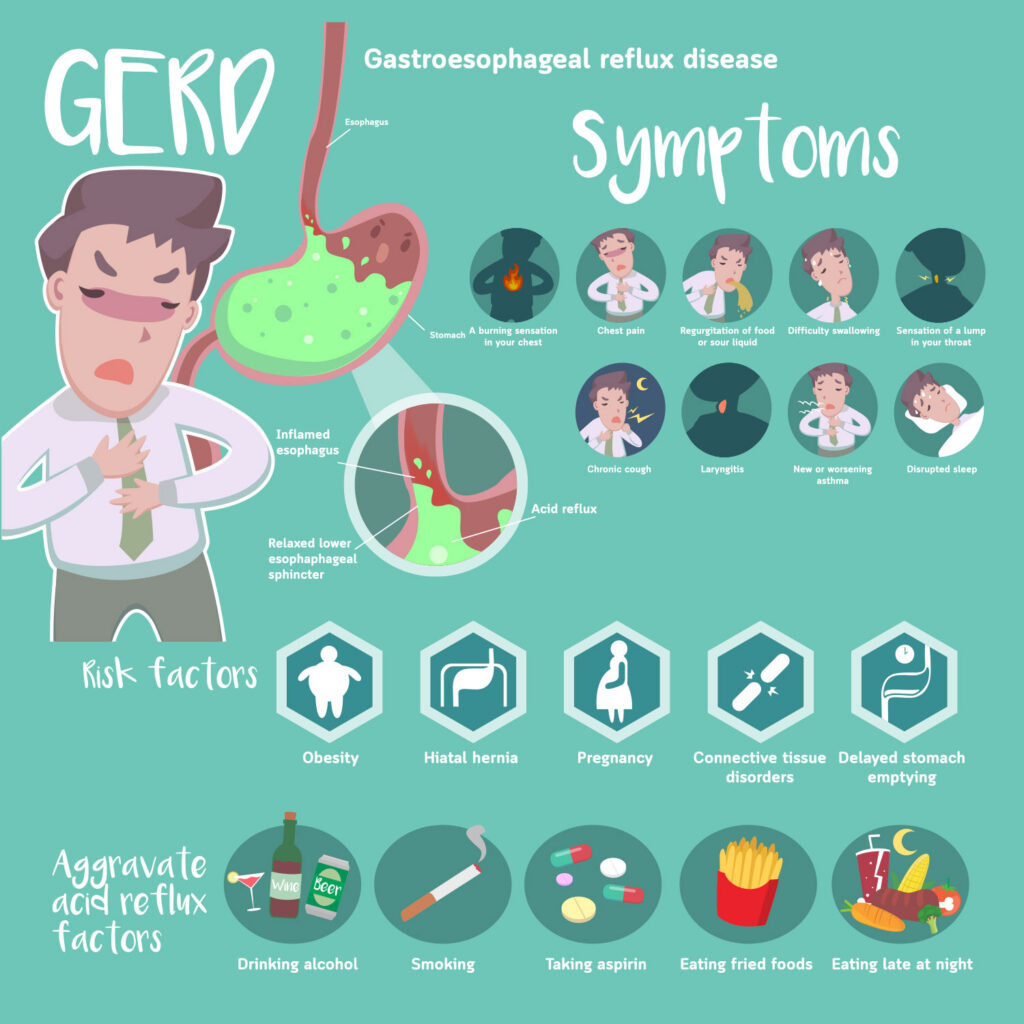
What Causes the Fire?
While it isn’t life-threatening, the pain from heartburn can be so severe that your patients may sometimes mistake it for a heart attack. The “burn” is caused by stomach acids overflowing from the stomach into the esophagus. Instead of the lower esophageal sphincter only allowing food forward into the stomach, this valve doesn’t close properly, and food backs up into the esophagus. As the very acidic digestive juices of the stomach touch the unprotected lining of the esophagus, they cause the characteristic “burn” of heartburn.
GERD is another, more serious condition. When stomach acid repeatedly washes up into the delicate structures of the esophagus it causes real damage over time, damaging the mucosal lining and can lead to ulcer formation. Patients with GERD may have other symptoms as well, including coughing, wheezing and regurgitation of food. And unfortunately, the conventional antacid products that your patients are using to treat their heartburn not only won’t help, they are probably making the problem worse.
Stomach Acid Is Not the Enemy
While many manufacturers sell the public on products that reduce stomach acid as a way to treat heartburn, these products are not the solution. Although they may temporarily stop heartburn pain, by interfering with the body’s production of stomach acid they can cause a whole new set of problems when used long term.
Here’s why:
Normally, when the contents of the stomach are properly acidified, it signals the pyloric valve at the lower end of the stomach to open, allowing stomach contents to move into the duodenum, the first section of the intestines, where digestion continues and absorption of nutrients begins.
However, if stomach acid levels are low, it takes a lot longer for the stomach contents to ferment, and that causes gas that presses against the esophageal valve. Over time, the valve weakens and the acidified contents of the stomach spill back into the esophagus, causing the pain of heartburn, and over time, the potential complications of developing GERD.
Antacids Aren’t the Answer
The reason why antacids appear to work is because as they neutralize stomach acids, the pyloric valve opens too quickly and allows the not fully processed stomach contents into the duodenum. Because the stomach empties faster, there is less chance of the contents escaping back up into the esophagus. Plus, anything that does back up is less acidic, and less irritating to the esophagus. So far, so good, right?
Unfortunately, no.
There are some critical reasons why lowering stomach acid is ultimately unhelpful:
- Proteins that were supposed to be broken down in the stomach are now in the intestines and could actually act as allergens
- Protein is not broken down properly, which likely means that calcium and iron aren’t being absorbed properly either
- Harmful bacteria that could have been neutralized by stomach acids now have a free pass into the intestines, where they could do much more damage
Fortunately, there are effective nutrients that work in a whole different way.
Two Key Nutrients Work with the Body
One of the key nutrients to fight heartburn and GERD is d-limonene. This clinically tested component of citrus oil is found in oranges, grapefruits, lemons, and limes. Although citrus fruits are typically associated with causing heartburn, d-limonene has been shown to help stop it.
In one clinical study, 19 adults with a history (at least 5 years) of mild to moderate symptoms of heartburn or GERD were asked to discontinue their OTC or prescription medications and take d-limonene instead. Initially, many of the participants rated their pain on a scale of 1 to 10, (1 meaning pain free, and 10 equaling severe pain) at 5 or greater. By the second day of taking d-limonene, 32 percent of the participants experienced symptom relief, rating at 1 or 2. After 14 days, 89 percent of the participants were symptom free!
In a double-blind, placebo-controlled study, 13 participants followed the same symptom severity scale, and by the fourth day, 29 percent in the d-limonene group experienced significant relief (a 1 to 2 rating), versus zero in the placebo group. And in only two weeks, 86 percent of the d-limonene group reported completerelief.
The exact reasons for d-limonene’s success are still being investigated. It appears that it coats and protects the stomach walls and mucosa from the potential damage of stomach acid (without interfering with acid production) and supports healthy peristalsis—the muscle action of the intestines that moves food through the digestive system.
Sea buckthorn (Hippophae rhamnoides), another important botanical ingredient for heartburn and GERD, works differently. It has a protective effect on the stomach and actually helps prevent and heal gastric ulcers. It also soothes the mucosa in the digestive tract. Sea buckthorn may not sound familiar to many, but this plant—naturally grown in Europe and Asia—has a thousand-year history in Tibetan and Mongolian medicine.
Not only does sea buckthorn include flavonoids, water and fat-soluble vitamins and helpful plant lipids, it also contains fatty acids, including omega 7 and nourishes the skin, urinary tract, and mucosal membranes. These structures are the first line of defense for the digestive system and as a result, they’re often the first tissues to be affected when things begin to go wrong.
Oils from the sea buckthorn berry have shown both protective and curative effects on four experimental models of gastric ulcers. Interestingly, these effects don’t appear to be limited only to its omega fatty acid content. But considering that this botanical contains over 200 nutrients, it’s also likely that they all contribute to its healing abilities.
Ideally, sea buckthorn should be hand-harvested to preserve the nutrient quality of the berries and use an environmentally friendly solvent-free supercritical CO2 technology to concentrate the most important components of this natural medicine.
Your Patients Can Feel Relief and Preserve Long-Term Health
By avoiding acid-stopping OTC and prescription medicines and using a combination of high-quality D-limonene and sea buckthorn, your patients can heal naturally. It’s a recommendation that they’ll appreciate for both fast relief and long-term well-being.

