HEALTH CONDITION
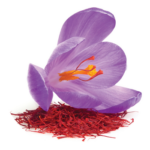
Lift Depression with Saffron & Curcumin
Free Your Patients from the Trap of Depression
Patients who feel trapped by depression have a clinically studied choice that delivers symptom relief without side effects: saffron and curcumin. These botanicals don’t interfere with existing treatments and may even make them more effective.
Help patients who need safe, effective mood relief with saffron and curcumin—two clinically validated botanicals that are even stronger together.
Saffron and Curcumin:
- Reduce depression and depressive symptoms
- Help patients overcome fear and worry
- Support a healthy inflammation response in the brain
- Boost positive natural brain chemistry
- Increase a sense of hope and well-being
Restore a Positive State of Mind
If any of your patients suffer from depression, they may feel trapped by the condition. The causes of depression—and there are many—can make treatment options complicated, and prescription drugs can cause notable side effects that create their own set of problems.
While for many years researchers believed depression was primarily a condition of chemical imbalance, there is now a much more nuanced picture of depression. At this point, most scientists and therapists would agree that brain chemistry, inflammation, life events, and environmental factors affecting the hypothalamic-pituitary-adrenal (HPA) axis can all contribute to various types of depressive disorders. One of the keys to fighting depression is finding a safe, effective, and ideally natural solution that works along all of these fronts.
Fortunately, two clinically proven botanicals, saffron and curcumin, have been shown to relieve depression as effectively as prescription drugs, and without side effects.
Botanicals That Fight Depression: Saffron and Curcumin to the Rescue
Clinical studies show curcumin and saffron can alleviate symptoms as effectively as prescription drugs, but without causing disruptive and unpleasant side effects. And if possible, taken as soon as your patients notice symptoms, they can be even more effective. Here’s how they work:
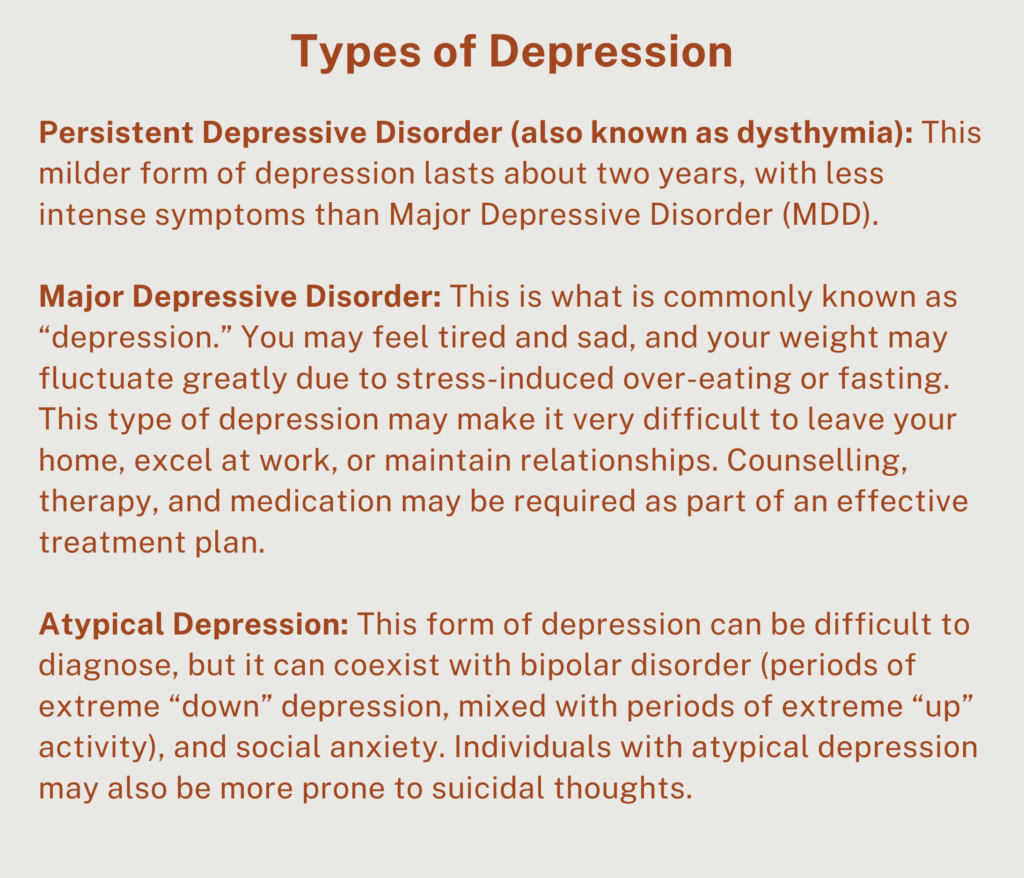
SAFFRON boosts serotonin production, lowers cortisol, and helps preserve levels of gamma-aminobutyric acid (GABA), which are typically lower in people with depression. Clinical studies have found that saffron reduces symptoms of milder forms of depression (dysthymia), serious depression with anxiety, and postpartum depression. It may also make conventional antidepressant medications more effective.
CURCUMIN stops inflammation in the brain and matches conventional drugs for treating major depressive disorder (MDD). It can reduce symptoms in just four weeks—without serious side effects. Curcumin is especially effective for people with atypical depression, a tough-to-treat condition often accompanied by intensive fatigue or weight gain.
Saffron—The Powerful Spice for a Positive Life
Saffron (Crocus sativus) is uniquely qualified to restore normal body chemistry. Compounds derived from the three stigmas in the flower that supply its spice and color also boost serotonin production, lower cortisol, and help preserve levels of gamma-aminobutyric acid (GABA)—all of which are typically lower in people with depression. Without a proper balance of these neurotransmitters, it’s easy to slip into feeling high-strung or too dragged down.
One double-blind, placebo-controlled clinical trial reported in the journal Phytotherapy Research found that saffron reduced symptoms of Persistent Depressive Disorder (dysthymia) in just six weeks.
In more serious and harder-to-treat forms of depression, especially when they overlap with anxiety, saffron also works well to relieve symptoms. A clinical trial reported that a 12-week regimen of saffron had a significant impact on the outcomes of two measurement scales: the Beck Depression Index and Beck Anxiety Index—questionnaires answered by patients which gauge both conditions.
Additionally, a small study showed saffron can potentially boost the effectiveness of conventional antidepressant medications.
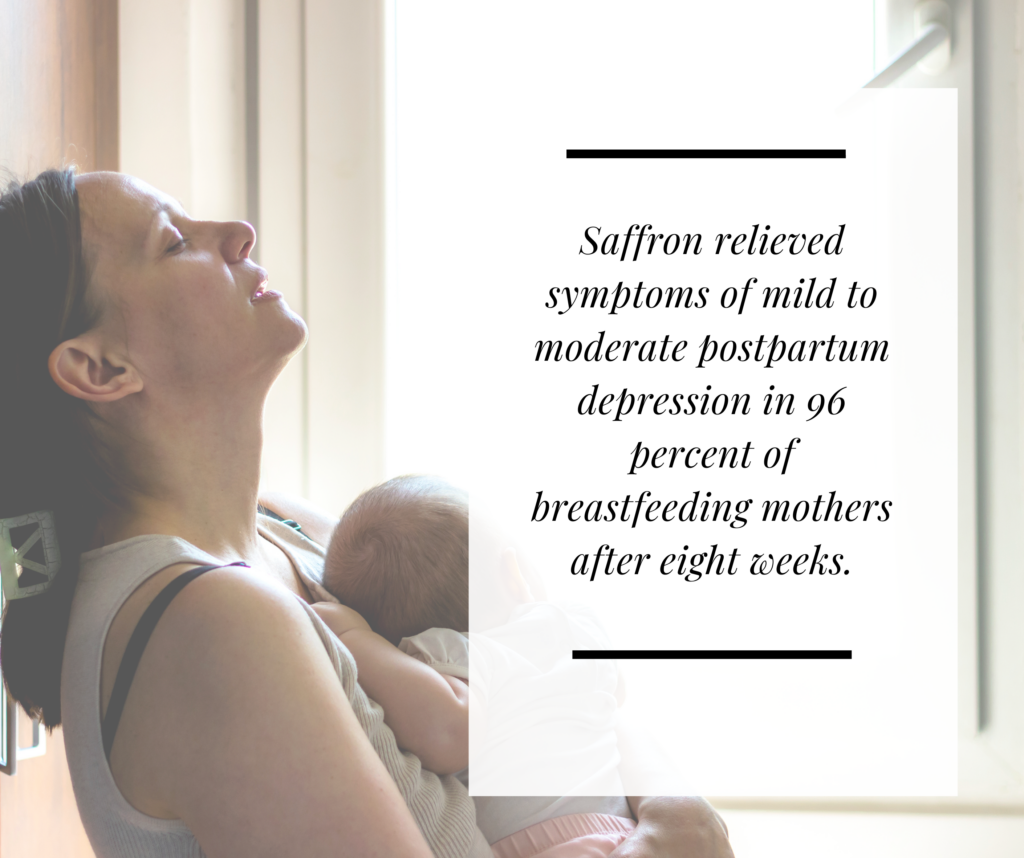
Saffron is also incredibly safe. The results of a double-blind, placebo-controlled clinical trial published in the journal Phytomedicine show it relieved symptoms of mild to moderate postpartum depression in 96 percent of breastfeeding mothers after eight weeks and caused no significant adverse effects for mothers or their infants.
Curcumin Fights Depression, Too
Of course, as effective as saffron is for depression, there is another powerful botanical that will help restore your sense of peace.
Curcumin, a compound from turmeric (Curcuma longa) is one of the most effective natural medicines on the planet. It truly does everything—stops pain, cancer, liver disease, and of course, depression. Curcumin can be difficult for the body to absorb, though, so I recommend a clinically studied form that is combined with turmeric essential oil for enhanced absorption and blood retention. It more readily gets into the bloodstream and continues to circulate there for longer-lasting effects.
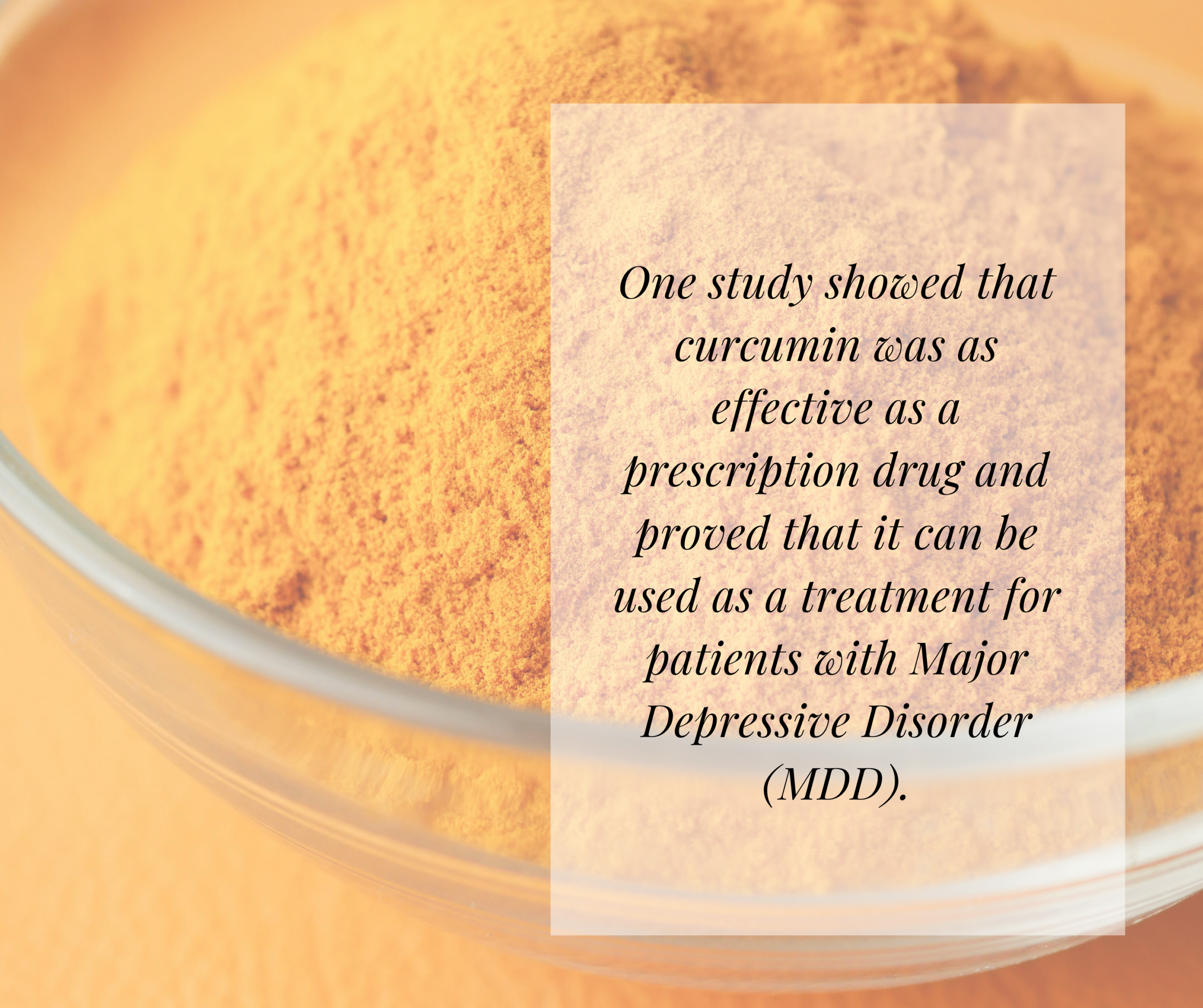
One clinical study of curcumin and individuals with major depressive disorder (MDD) divided participants into three groups to compare the efficacy of high absorption curcumin (curcumin blended with turmeric essential oil), the prescription antidepressive fluoxetine, or a combination of the two.
The best response, measured by the Hamilton Depression Rating Scale (HAMD-17), was in the group using the combination of fluoxetine and curcumin at 77.8 percent. But interestingly, the single-therapy groups scored almost exactly the same, with fluoxetine at 64.7 percent and curcumin at 62.5 percent—numbers so close that the data is not statistically significant from one another, essentially showing that curcumin was as effective as a prescription drug for patients with MDD.
In other clinical trials, people suffering from depression felt much better thanks to curcumin, too. In one, individuals improved significantly in just four weeks; at eight weeks, their relief was even more pronounced. Patients in trials with atypical depression found relief too. Curcumin is an extremely valuable, natural medicine for taming emotions and quenching depression across the board.
Curcumin works along many pathways, but these differ somewhat from saffron, so the two botanicals have a helpful anti-inflammatory synergy.
A clinical study comparing the actions of low dosage curcumin, high dosage curcumin, and a low dosage curcumin and saffron combination against a placebo for MDD symptom relief yielded interesting, and perhaps unexpected, results. Researchers reported that even at lower doses, people responded very well to curcumin or a combination of saffron and curcumin. The botanicals effectively helped relieve symptoms of depression and accompanying anxiety for individuals in the test groups. And, like the trials using curcumin alone, individuals with atypical depression also saw their symptoms decrease, so both botanicals have a welcome variety of applications for mood disorders. The researchers noted that results may be even stronger for people who can start using saffron and curcumin at an earlier onset of symptoms.
One thing to note here is that it didn’t take a lot of saffron to be an effective dose— only 15 mg twice daily combined with 250 mg twice daily of curcumin blended with turmeric essential oil was sufficient to make a very positive change.
Stopping Depression for a Lifetime
Prescription drugs are not the only option for depression. In fact, clinical research increasingly shows time-tested natural medicines can be just as effective, but without causing serious side effects. And two that show excellent results are saffron and curcumin. That’s not to say that patients should stop taking their prescription medications and immediately switch to saffron and curcumin. That is a discussion they need to have with their prescribing physician.
But informing patients about integrating these botanicals into their daily regimens, may provide the extra assistance they need to be freed from the trap of depression or other mood concerns. Saffron and curcumin are powerful anti-inflammatory herbs and are safe, clinically tested, and don’t cause serious side effects. Taken each day, their combination truly provides an effective alternative or adjunct to depression treatment.
If your patients are looking to help reduce symptoms of depression, overcome fear and worry, and boost positive brain chemistry, we recommend taking a combination of curcumin (Curcuma longa) rhizome extract enhanced with turmeric essential oil and saffron (Crocus sativa) stigma extract twice daily.
Read More..
Read Less..

Rebooting Mental and Physical Vitality
To say that many people in America aren’t getting the daily nutrients they need to maintain good health is to put it mildly. The Standard American Diet, with its overabundance of empty calories, and refined sugars and carbs, has undermined much of the country’s health. Very likely, you’ve seen the effects of this in your own practice.
Fortunately, for patients who are trying to rebuild their health by cultivating appropriate lifestyle and dietary habits, there are supplemental nutrients that can help reinvigorate their mental and physical well-being. In a multi-ingredient formula, these nutrients can be the foundation of a daily regimen that makes notable positive changes, including:
- Increased daily energy and positive outlook
- Improved resilience and focus during stress
- Better physical vitality
- Reduced chronic pain and fatigue
- Robust immune, heart, and overall health
InfoMedica recommends: A daily multi-nutrient powder drink mix that includes bioactive and readily utilized vitamins, minerals, and amino acids for building daily mental and physical energy and recovery from acute or chronic conditions.
Why Foundational Multi-Nutrient Support Matters
When your patients are trying to rebuild their health by cultivating appropriate lifestyle and dietary habits, there are supplemental nutrients that can help reinvigorate their mental and physical well-being. In a multi-ingredient formula, these nutrients can be the foundation of a daily regimen that makes notable positive changes. As a dosage-adjustable powdered drink mix, it also provides the flexibility—a key to compliance—that they’ll appreciate.
While there are those who criticize the idea of multivitamins as being unnecessary because one should be able to get all the nutrients they need from food, it is all too common for daily intakes to fall far short of that ideal. So there are good reasons to recommend a multi-nutrient supplement to patients who are also suffering from lack of mental and physical energy to help fill in the gaps that may not be covered, even with a shift to a healthy diet.
And in fact, a study published in the Journal of the American Medical Association (JAMA) found that multivitamin use significantly reduced total cancer risk in men by eight percent, and by 27 percent in men with a previous incidence of cancer.
Considering the overwhelming dominance of ultra-processed foods in the Western diet, and increasingly worldwide, it’s not surprising that any additional nutrients would help. And if those supplemental nutrients are in readily absorbed and utilized forms, so much the better.
Readily Utilized Nutrients Help Your Patients Thrive
The vitamins, minerals, and amino acids listed in this table may be in different forms from those found in common mass-market supplements. They are recommended because they offer better absorption, bioavailability, and efficacy.
VITAMINS |
||
| NUTRIENT | RECOMMENDED BEST FORM & WHY | DAILY DOSAGE |
| Vitamin A | Retinyl forms of vitamin A. These forms (like retinyl palmitate) are more readily used by the body, for vision, hair, skin, and immune health. | 2,500 to 5,000 IU
(1500 mcg) |
| Vitamin B1 (Thiamin) | Thiamine HCl. Vitamin B1 is critical for proper brain functioning, making it especially important in those with brain fog and feelings of mental fatigue. It is also critical for heart function, is also used therapeutically in dementia, anxiety, neuropathy, chronic fatigue, alcoholism, confusion, depression, pain, memory loss, and disequilibrium. | 25 to 50 mg
|
| Niacin
(Vitamin B3) |
Niacin and niacinamide. Niacin is critical for energy production and may also slow the progression of Alzheimer’s disease.
Recommending two forms of this nutrient can ensure a wider spectrum of beneficial action. Additionally, niacinamide helps prevent the ‘flushing’ feeling frequently associated with niacin. |
25 to 50 mg |
| Vitamin B6 | Vitamin B6 as Pyridoxal-5-Phosphate (P-5-P). Essential for proper muscle response and exercise recovery, blood pressure and blood sugar regulation, nerve health, and metabolism. As a bioactive form of vitamin B6, P-5-P is beneficial to individuals with poor liver conversion activity. | 12.5 to 25 mg |
| Vitamin B12 | Methylcobalamin. Like P-5-P, the methylcobalamin form of vitamin B12 requires no conversion by the liver, making it a bioactive form that is readily available to fuel daily energy needs and assist patients with nerve, mood, blood glucose, and blood pressure concerns. | 250 to 500 mcg |
| Biotin | D-biotin. Biotin is essential for healthy skin, hair, nerve cells, cellular energy production, fatty acid synthesis, and mental well-being. | 200 to 500 mcg |
| Vitamin C | Vitamin C. Vitamin C is well known for its immune, antioxidant, tissue-healing, and adrenal supporting actions. | 250 to 500 mg |
| Choline | Choline Bitartrate. Choline is a must for women who are pregnant or nursing because it plays a key role in neural development and memory. For other patients, choline is essential for cognitive function and focus, exercise recovery, liver protection, and the cardiovascular system. | 50 to 100 mg |
| Vitamin D | Vitamin D3 (Cholecalciferol). This form is the same as the type synthesized by the body. It helps build bone density, strengthens knee cartilage, protects brain cells, improves mood, and may prevent cancer. | 12.5 mcg to 25 mcg (500 IU to I,000 IU) |
| Folate | Methylfolate instead of folic acid. This active form of folate requires no conversion by the liver. Folate keeps the heart strong and
the mind focused. Although this dosage level is less than the RDA for folic acid, the methylfolate form is more readily used by the body. |
170 to 340 mcg DFE (dietary folate equivalent) |
| Vitamin E | Vitamin E as d-alpha and mixed tocopherols. Getting the vitamin E in the full family of alpha, beta, delta, and gamma is closer to the way it is naturally found in food. The interaction of all of these components protects against damaging free radicals, prevents the oxidation and build-up of cholesterol in the arteries, keeps nerve cells healthy, boosts the immune system, and helps DNA replicate properly. | 25 to 50 mg (75 IU) |
| Vitamin K2 | Vitamin K2 (Menaquinone 7). This form of vitamin K2 is extracted from the Japanese fermented food, natto, and works with vitamin D to guide calcium into the bones and keep it out of the arteries. | 50 to 100 mcg |
MINERALS |
||
| NUTRIENT | RECOMMENDED BEST FORM & WHY | DAILY DOSAGE |
| Boron | Boron as fructoborate. This form of boron is highly bioavailable, and helps the body absorb and use vitamin D and magnesium. Boron also reduces inflammatory markers, and may improve mental, protect joints, and preserve lean muscle mass. | 750 to 2,000 mcg (2 mg) |
| Chromium | Chromium nicotinate glycinate chelate. This form is more efficiently absorbed than picolinate or chloride forms and remains in the bloodstream longer. Chromium is essential for daily energy, metabolism, and blood sugar regulation. Chromium may be useful treating depression, particularly when carbohydrate craving is a prominent symptom. | At least 100 to
200 mcg— Possibly more if patients have absorption, blood sugar, or metabolic concerns |
| Copper | Copper glycinate chelate. Copper is crucial for blood cell formation, transporting iron in red blood cells, strengthening the immune system, and building strong bones. Without copper, anemia is almost certain to follow, along with heart disease, blood sugar issues, and arthritis. | 0.5 to 1.0 mg |
| Iodine | Potassium iodide. This is the best form for daily maintenance. The thyroid requires iodine to create thyroid hormones. It is critical for energy levels, metabolism, hair and skin health, and tumor prevention. Virtually every cell in the body has a receptor for iodine. However, those receptor sites may be influenced by fluoride, chloride, and other potentially harmful iodine mimics, so daily iodine levels are important. | 100 to 200
mcg |
| Manganese | Manganese glycinate chelate. Manganese deficiency is a potential cause of osteoporosis. Manganese builds bone and joint tissue and activates an enzyme called prolidase, which helps heal injuries and assists the body to form collagen. | 1 to 2 mg |
| Magnesium | Magnesium glycinate chelate. This form is better absorbed and easier on the stomach, especially at larger dosages. Magnesium helps metabolize B vitamins, provides muscle cells with energy, eases muscle recovery after heavy exercise, helps the thyroid operate properly, fuels the body at a cellular level, and promotes mental well-being. | 100 to 200 mg |
| Molybdenum | Molybdenum glycinate chelate. Molybdenum helps the body metabolize and process proteins, detoxifies sulfites and other potential compounds that interfere with proper hormonal activity, and prevents buildup of medications. | 125 mcg |
| Selenium | Selenium (as selenium yeast Saccharomyces cerevisiae). Selenium helps convert thyroid hormone T4 to active T3. Selenium also protects the thyroid from oxidative damage and may help prevent autoimmune conditions that could otherwise lead to chronic inflammation throughout the body. | 25 to 55 mcg |
| Zinc | Zinc chelated to amino acid glycine. Zinc promotes muscle recovery and helps heal tendons and ligaments. Zinc strengthens immune responses and may alleviate depression symptoms and anxiety disorders. | 7.5 to 15 mg |
AMINO ACIDS & OTHER NUTRIENTS |
||
| Taurine | L-Taurine. This non-protein amino acid preserves cardiovascular strength, enhances mental focus, maintains positive mood, nourishes the eyes, and promotes overall well-being. | 250 to 500 mg |
| Glycine | L-Glycine. Like other amino acids, glycine serves multiple purposes. In one clinical study, glycine plue N-acetylcysteine reduced oxidative stress and inflammation and improved muscle strength, cognition, and glutathione levels in older adults. | 200 to 400 mg
(390 mg) |
| Tyrosine | L-tyrosine. A required nutrient to help create thyroid hormones, L-tyrosine levels are also critical for the production of adrenaline and dopamine, two neurotransmitters. | 250 to 500 mg
(377 mg) |
| Serine | L-Serine. Has a strong antioxidant capacity and can significantly reduce symptoms of fibromyalgia. Supplementation may also reduce weight regain during fasting by increasing the body’s ability to burn fat. | 120 to 240 mg
|
| Betaine | Betaine Anhydrous. May alleviate chronic fatigue symptoms and reduce homocysteine levels to lower risk of heart disease. | 175 to 350 mg |
| N-acetylcysteine | N-acetylcysteine (NAC). NAC is critical for glutathione synthesis which may assist patients with chronic fatigue syndrome, and for keeping vitamins C and E in their active forms. | 250 to 650 mg |
Counteracting Ultra-Processed Foods
Ultra-processed foods (UPFs) are now estimated to make up to 50 percent of the dietary intake of developed nations. The ultimate cost of this trend of these calorie-dense, but nutritionally poor foods is already seen in skyrocketing rates of obesity, type 2 diabetes, and depression.
Nutritional experts believe that beginning in the 1990s, the engineering of food for its addictive qualities led to increased and repeated consumption began to change average weights, body shape, and overall health. Sadly, this trend has not shown any signs of retreat. And for those who have known only processed foods from childhood, it takes remarkable strength and practitioner guidance to overcome the pull of this unhealthy trap.
That’s why a multi-faceted approach to whole mind and body health is especially helpful. Patients who struggle with a dependence on ultra-processed foods need encouragement to switch to a diet of wholesome, healthy foods that sustain, rather than drain, their energy and their mental and physical well-being. Referrals to dieticians and other professionals may also provide additional coaching along with your care that will help them begin a new chapter in their lives marked by renewed vitality.
A Multi-Nutrient Powder Drinks Strengthens Patient Compliance
Some patients have a very difficult time swallowing pills or simply don’t want to. The benefit of a powder drink mix is that it allows for effective levels of ingredients in an easy-to-take form. A multi-ingredient powdered drink mix can be blended with smoothies, yogurt, or any favorite beverage, ensuring a greater likelihood of patient compliance and consistent results. It also allows for more flexible dosing; some patients may want to start with a half-dosage level of these nutrients or mix half the powder into a smoothie at breakfast, and the other half into yogurt at lunch. Either way, they are likely to notice a difference with vitamin and mineral forms that will have more impact than common varieties of vitamins that they may have tried in the past.
Mind and Body Well Being Depend on Foundational Nutrients
Regardless of a person’s weight, income, or status, one cohort study of European teens found that every 10 percent increase in ultra-processed foods led to a corresponding decrease in executive function scores. These foods aren’t only harming peoples’ bodies; they are harming their minds as well.
The problem is no less serious for adults: the data from two long-term studies show that those in the highest quintile of ultra-processed food consumption show a 25-35 percent increased risk of all-cause dementia.
This overabundance of refined sugar and carbs in the diet also leads to nutrient deprivation, since there’s little room in the caloric intake for whole, healthy foods. So it is not uncommon for people to be nutrient deficient, even with an abundance of available food choices. It’s difficult for anyone who is used to eating ultra-processed foods to break free from the habit. That’s why, when your patients are trying to change course, and live better, healthier lives, they deserve your professional guidance and encouragement, along with lifestyle and nutrient recommendations that can help make their goals a reality.
Read More..
Read Less..
Stop Cold, Flu & Infections with Pleuran from Oyster Mushrooms
When your patients get an upper respiratory infection, whether it’s a cold, flu, ear infection, sinus infection, or other illness, recovering quickly is the top priority.
Fortunately, clinically validated pleuran from oyster mushrooms can not only help them recover faster, it can help prevent your patients from getting sick in the first place. Taken daily, or at the first sign of an illness, it is incredibly powerful:
- Prevents colds, flus, sinus infections, and ear infections
- Relieves congestion, runny nose, sore throat, and other symptoms
- Works quickly and shortens illness duration
- Strengthens overall immune defenses
Stop Infections and Speed Recovery with Oyster Mushroom Pleuran
Mushrooms have been part of traditional healing practice for generations, and for good reason. Compounds from mushrooms have been shown to stop tumor growth, improve physical stamina, and enhance mental well-being. The right mushrooms also provide powerful immune-strengthening actions.
One that has been clinically studied for 25 years and has 40 published studies to back it up, is the oyster mushroom (Pleurotus ostreatus), and more specifically, pleuran, a compound found exclusively in this particular example.
Whether in a daily formula, consisting of 100 mg of pleuran and 100 mg of vitamin C as a preventative supplement for children and adults, or in an acute formulation for adults taken during an active infection, with 300 mg of pleuran plus 160 mg of vitamin C and 10 mg of zinc, it can help clear sinuses, control coughs, prevent infections, and speed recovery.
How it Works: Pleuran Strength Trains the Immune System
While mushrooms have been part of culinary and medical traditions for generations, we’re only beginning to unravel why they work so well to strengthen the immune system. Some researchers have referred to the stimulating effect that oyster mushroom pleuran has on the immune system as “trained immunity.” Pleuran reprograms immune cell reactions and, over time, helps build resistance. Interestingly, while pleuran is named, in part, after the species of mushroom, Pleurotus ostreatus, that contains it, “pleura” also refers to the lungs specifically, and breathing and sinus clarity generally. Experience and clinical studies show that it is a very aptly named component of these mushrooms.
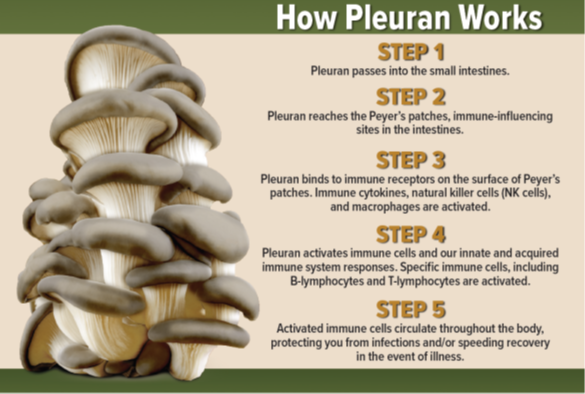
Additionally, pleuran is an insoluble beta-glucan found only in oyster mushrooms. Being insoluble, it interacts with Peyer’s patches, which are immune-influencing sites in the small intestines as it moves through the digestive system. These small groups of follicle-like tissues are connected to the lymphatic system. They work as part of the immune system’s early warning system and will alert and activate lymphocytes, white blood cells that intercept and stop bacterial and viral invaders. This is why it is so important to supplement with pleuran on an empty stomach.
Once pleuran binds to macrophage receptors in the intestinal wall, protective responses are activated. Pleuran also prevents viral infiltration and replication and encourages healthy gut bacteria, which also boosts immune resistance to bacterial, viral, and fungal infections.
Seasonal Colds and Flus are Not Inevitable
Cold and flu season affects everyone, especially kids. Children typically have had less time to develop strong immune systems and spend much of their days in close proximity with other kids, it’s easy to see why upper respiratory infections are so common—typically 6 to 8 per year. Not surprisingly, these infections spread to entire families, with everyone either becoming ill or taking care of those who are under the weather. At that point, time off from school and altered work schedules become the norm, no matter how careful your patients are. And if this situation sounds familiar, it does not need to be inevitable.
Reduces Childhood Infections by 50%
Upper respiratory tract infections and the cold and flu season for children typically corresponds with the school year. Clinically studied for safety and efficacy, pleuran shows great results for stopping infections in kids.
For example, one study reported that a majority of children taking this extract for three months, starting in August, saw a drop in illnesses by over 50 percent compared to the year before. They went from an average of 8.9 infections per year to just 3.6 during this treatment time—an impressive, and positive change of pace.
Another clinical study examined the preventive effects of oyster mushroom pleuran on children and found virtually the same results. After three months of treatment, the number of upper respiratory tract infections was reduced by half as well. And that also includes fewer ear infections and less cases of bronchitis, the common cold, laryngitis, and even pneumonia. Plus, it was extremely well-tolerated by the children in the study and got a high approval rating for effectiveness from 85 percent of their parents.
Yet another clinical study reported similar results after supplementing with pleuran—50 percent fewer respiratory tract infections during the treatment time. Again, that included fewer instances of ear infections, bronchitis, and the common cold. Plus, the effects appeared to last even after the treatment period, showing that it truly strengthens and trains the immune system to defend against a variety of illnesses.
One study that combined oyster mushroom pleuran and vitamin C reported that 36 percent of the children taking this combination didn’t have any respiratory infections during the active treatment period. Bear in mind that the children participating in this study had previously dealt with at least 5 infections in the past year leading up to the study. Pleuran also reduced frequency of other flu and flu-like illnesses and cases of lower respiratory tract infections. Researchers found that this combination appeared to assist in antibody production and help mature the immune responses in the children, which may explain the preventative effects seen even after the supplement was no longer being taken.
In addition to colds, many children and adults suffer from recurring seasonal allergies that cause just as much havoc as any infection, and sometimes actually lead to increased infections because of the way allergies tax the immune system. But here too, pleuran from oyster mushrooms can help.
A double-blind, placebo-controlled clinical study of children with recurrent upper respiratory tract infections found that pleuran reduced the number of eosinophils, white blood cells typically associated with intense allergic responses. It also moderated levels of immunoglobulin E (IgE), antibodies that surge to cells in the nose, lungs, skin, or throat that then release compounds that cause allergy symptoms, like sneezing, itching, or coughing. If your patients or your their contend with seasonal allergies, daily use of pleuran before and during peak allergy season can definitely help.
Prevents Infections in Adults, too
Clinical research shows that oyster mushroom pleuran has remarkable benefits in adults, too. Patients that seem to come down with a cold after physically demanding activities, like intensive workouts, bicycling or running events, or a repeated exposure to the elements because of their jobs, may be a recurring theme in your practice. That’s not surprising.
Even though physical activity is a must for good health, exercise can sometimes deplete the strength of the immune system, leaving a person open to illnesses. Fortunately, pleuran addresses that very issue.
Placebo-controlled clinical studies showed that after periods of intensive exercise, oyster mushroom pleuran prevented upper respiratory infections, preserved infection-fighting levels of natural killer (NK) cells, and strengthened white blood cell activity. By comparison, the placebo group saw their NK levels drop by 28 percent, making them much more prone to illness.
Oyster mushroom pleuran finely tunes immune responses in cases of autoimmune conditions as well. For example, individuals with Crohn’s disease are often susceptible to other infections, including respiratory illnesses, even though their primary concern is an intestinal condition. This can be due to their immune-suppressing medications or the autoimmune condition itself.
Fortunately, a double-blind placebo-controlled clinical study reported that pleuran significantly prevented secondary respiratory illnesses during the 12-month regimen. It worked well with the participant’s conventional medication and did not trigger any Crohn’s symptoms.
The Synergy of Vitamin C
Vitamin C is one of the best-known immune boosters. Taken for prevention, it may reduce the incidence of colds by as much as 50 percent. But it is key to get vitamin C regularly during the year and at the first signs of illness, because it can be used up quickly when the immune system is under attack. Vitamin C also has a natural antihistamine effect and alleviates allergy symptoms, making it an excellent partner to pleuran.
Vitamin C was combined with oyster mushroom pleuran in some of the clinical studies mentioned earlier as an active placebo. Those same studies reported that compared to vitamin C alone, the combination of pleuran and vitamin C showed double the effectiveness in preventing flu symptoms and respiratory infections.
High-Dosage Pleuran with Vitamin C and Zinc Quickly Stops Acute Symptoms in Adults
Higher levels of pleuran, vitamin C, and the addition of zinc is a perfect recommendation for acute relief. It’s the right choice for any adult patient who suddenly finds themselves dealing with intensive respiratory infection symptoms.
In acute cases, zinc can be especially helpful. This mineral is also recommended for illnesses ranging from seasonal flu viruses to COVID-19. It prevents viruses from replicating and helps keep your existing defenses strong. Zinc also helps your body adapt and fight bacteria or viruses that it has never encountered in the past. This powerful nutrient has been found to reduce the duration of cold symptoms by 42 percent compared to placebo, but like vitamin C, it needs to be taken at the first symptoms of an illness. So it’s understandable that the researchers who pioneered pleuran as a natural medicine also recommend a short-term boost that includes zinc.
Prevents Secondary Infections in Chronic Conditions
Pleuran from oyster mushrooms has also been shown to be effective in preventing or reducing the symptoms that accompany herpes (HSV-1) flare-ups. This is good news for anyone who uses conventional drug treatment, because in much the same way that antibiotics can cause bacterial resistance, long-term use of the antiviral medication acyclovir can cause viral resistance. Plus, people struggling with herpes often develop respiratory flu-like symptoms because their immune system is already taxed.
Fortunately, these immune-modulating compounds can help.
In a clinical study, participants with HSV-1 were provided with either a placebo or a combination of a higher dosage of oyster mushroom pleuran (300 mg), vitamin C (160 mg), and zinc (10 mg) for the first 10 days of the treatment. These nutrients were given at higher levels as a way of jump-starting the immune response.
The results came quickly. Within only five days, a higher proportion of individuals in the pleuran group were already free of symptoms. After the intensive, acute phase of treatment, participants took the lower, daily maintenance dosage level of pleuran (100 mg) and vitamin C (100 mg) for 120 days–the same level recommended to adults and children to prevent colds, flus, and other infections. As reported in other studies, those taking the pleuran combination in this long-term segment saw the duration of any accompanying respiratory symptoms, like runny nose and cough, greatly reduced compared to the placebo group.
So, for stopping intense acute symptoms and knocking out an illness in adults, the high dosage combination of pleuran, vitamin C, and zinc works very well. You can determine whether or not you’d like your patients to follow that with a daily maintenance dose just to keep the immune system well poised to stop any further illness. If they’re susceptible to respiratory tract infections, ear infections, or other issues, it may be a good idea.
What to Know About Pleuran: Recommendations
Before the pleuran is extracted, the oyster mushrooms are hand-harvested and carefully separated from their caps. The stems are kept at a cold temperature following harvest, with refrigerated trucks used to transport them. This prevents enzyme damage to pleuran, and helps it retain its immune-strengthening actions. The stems are then dried and standardized for up to 95 percent measured pleuran content. Pleuran must be taken on an empty stomach. As described earlier, pleuran needs to come into contact with specific cells in the intestines in order for it to work. Food can block pleuran from making this contact and render it ineffective. To get the full benefits of pleuran, take it 30 minutes before a meal.
Children and Daily Immune Strength for Adults: For a safe and effective combination recommend a combination of 100 mg of pleuran and 100 mg of vitamin C to your patients’ daily regimens. Clinical studies found that children responded best when this formula was taken right at or before the beginning of the school year, around August, and continued on through March. Of course, adults and children can take it daily, especially during allergy season when reactions to pollen are at their height, or when the potential for asthma symptoms is greatest.
Acute Cold and Flu Relief in Adults: Oyster mushroom pleuran is extremely valuable for battling virtually any challenge to the immune system. A 300 mg dosage of pleuran combined with 160 mg of synergistic vitamin C and 10 mg of zinc works quickly to relieve runny nose, sore throat, congestion, and ear infections, and helps speed recovery.
Pleuran Strengthens Immune Responses for Cold and Flu Season—and Beyond
Pleuran stops infections and relieves symptoms during active infections, and taken daily, it also prevents colds, flus, ear infections, allergies, and asthma. Pleuran is incredibly effective and safe, with 25 years of research and real-world use to back it up. When your patients want to protect themselves and their families, and stay strong through cold and flu season—and beyond—you can recommend add pleuran from oyster mushrooms to their regimens with confidence.
THE IMMUNE SYSTEM: Two Systems in One
We all have, in a sense, two immune systems, the innate and adaptive (also called acquired) immune systems. The innate immune system encompasses everything you are born with that can stop infections. That includes things that many people normally wouldn’t think of as “immune defenders” like their skin, saliva, mucous membranes, and stomach acid. But all of them help prevent viruses or bacteria from getting their feet in the door.
The innate immune system also includes specialized white blood cells that can respond to any threats from pathogens like viruses and bacteria.
The adaptive immune system is what helps the body develop immunity to a specific bacteria or virus after exposure or illness. The adaptive immune system includes T-cells, antibodies, and white blood cells that recognize invaders that survive the innate immune system, and either bolster immune strength as a result, or destroy the infected cells so that they move out of the body altogether.
When in doubt, always consult your physician or healthcare practitioner. This article is intended to provide you with information to maintain your health.
InfoMedica Suggests These Formulas:
For children or adults for daily prevention or long-term use: Vitamin C (as ascorbic acid) 100 mg, Active polysaccharide complex 100 mg providing Beta-1,3/1,6-D-Glucan, Pleuran isolated from Oyster Mushroom (Pleurotus ostreatus).
OR
For short-term use in adults with acute respiratory infections: Vitamin C (as ascorbic acid) 160 mg, Zinc 10 mg (from zinc bisglycinate chelate), Active polysaccharide complex 300 mg, providing Beta-1,3/1,6-D-Glucan, Pleuran isolated from Oyster Mushroom (Pleurotus ostreatus).
Read More..
Read Less..